





Poland had been on my radar for years. Close to Denmark, easy to reach by car, yet somehow I had never really explored it. So this time, I wanted to do it properly.
I packed my electric car in Copenhagen and headed south. Ten days, more than 3,000 kilometers, and one long road trip through Poland. The plan was simple. I wanted to experience the country from as many angles as possible. Nature, big cities, small towns, history, culture, gastronomy, hotels, local places and everything in between.
I also wanted to see how Poland changed from north to south, from the Baltic coast to the Tatra Mountains.
Before leaving, I had quite a few preconceived ideas. Would charging my electric car be difficult? Would the infrastructure be good enough? Would the hotels and restaurants match the places I usually visit elsewhere in Europe? And most importantly, would Poland actually surprise me?
It did. Again and again. That became the story of the entire journey.
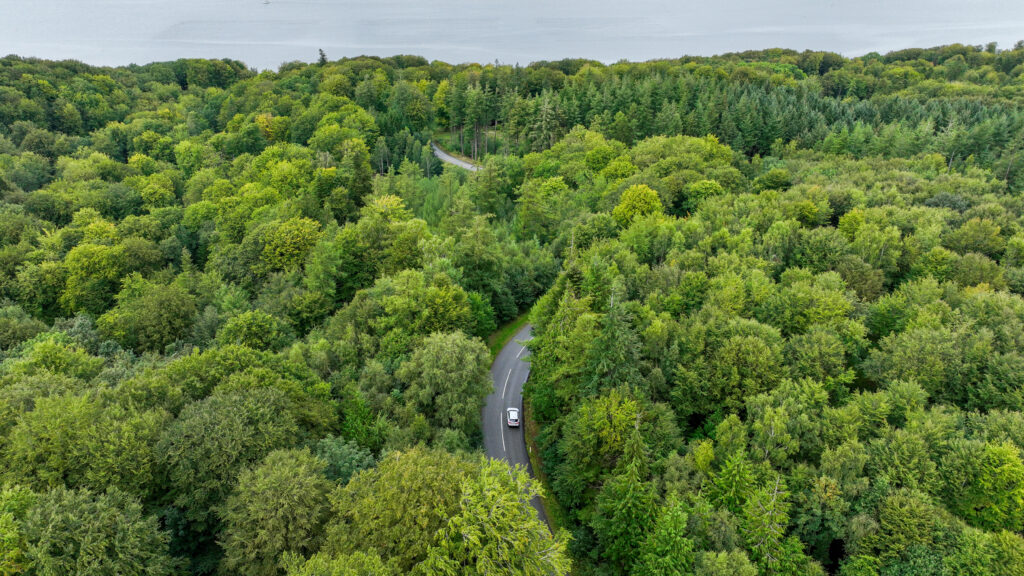
Driving from Copenhagen to Poland
One of the reasons I love road trips is that the journey begins the moment I leave home. There is no airport and no feeling of suddenly appearing somewhere new. Instead, the landscape slowly changes outside the window.
I left Copenhagen and drove south through Denmark and Germany. For many hours, the scenery felt familiar. Farmland, small villages, forests and long open roads. Parts of northern Poland even reminded me of Denmark.
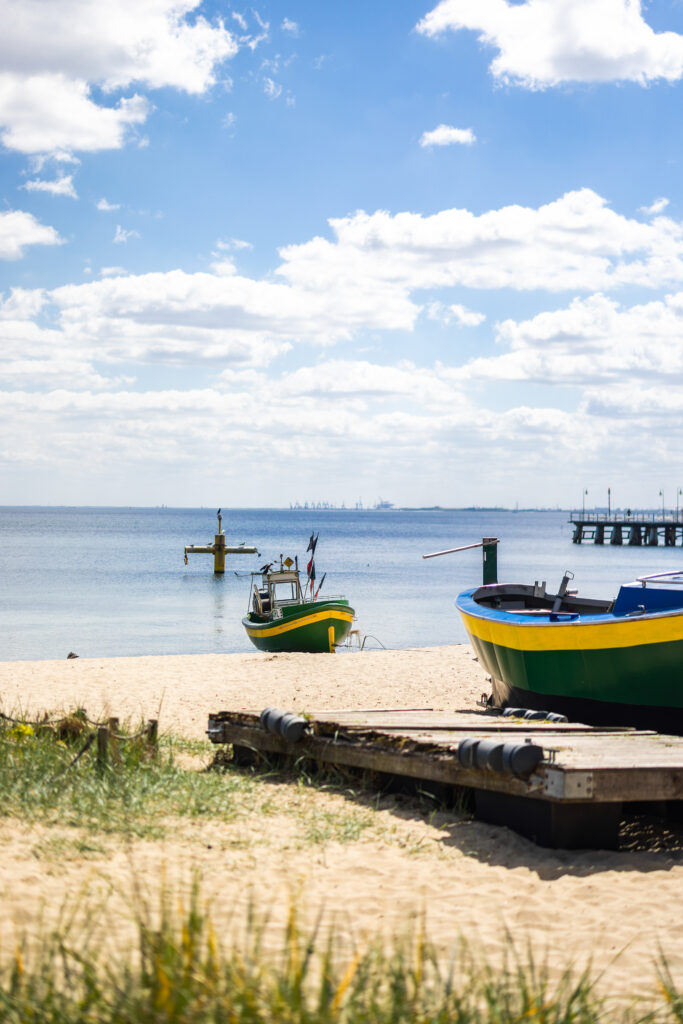
Then I got closer to the Baltic coast. The landscape started changing. More forest, more sea air and more coastal scenery. And then I reached Gdynia.
Gdynia – My First Big Surprise
Gdynia was the first place that really changed my perception of Poland. I knew very little about the city before arriving. Most people talk about nearby Gda?sk, while Gdynia rarely gets the same attention. That made the surprise even better.
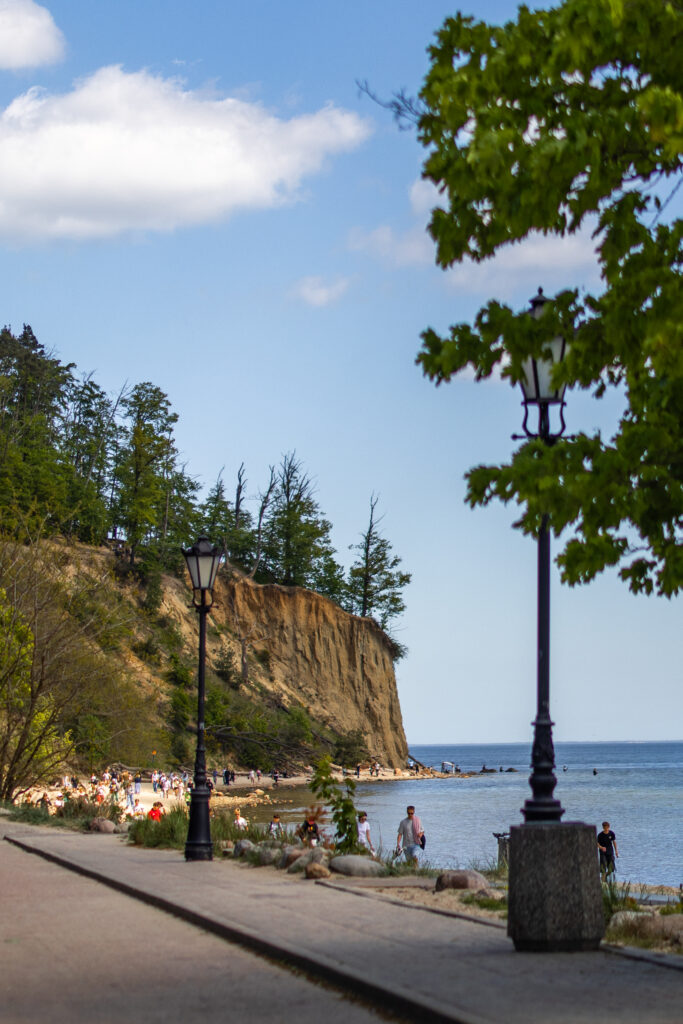
The first thing I noticed was the coastline. Long beaches, a wide promenade and fresh Baltic air. Then I discovered the forests. Green areas stretch towards the coast, where the landscape suddenly drops towards the sea. In some places, the trees almost reach the cliffs.
I spent hours walking here. After many hours in the car, it felt good to slow down. No schedule and no sightseeing list. Just walking.
At times, the landscape felt almost Scandinavian. Pine trees, wind, sea and quiet paths. Then, only a few minutes inland, everything changed again. Modern buildings appeared, new developments, cafés and a city clearly growing and changing.
That contrast became what I liked most about Gdynia. Nature in one direction and a modern city in the other. It was not the Poland I had expected, and that was exactly why I liked it.
Hotel Quadrille
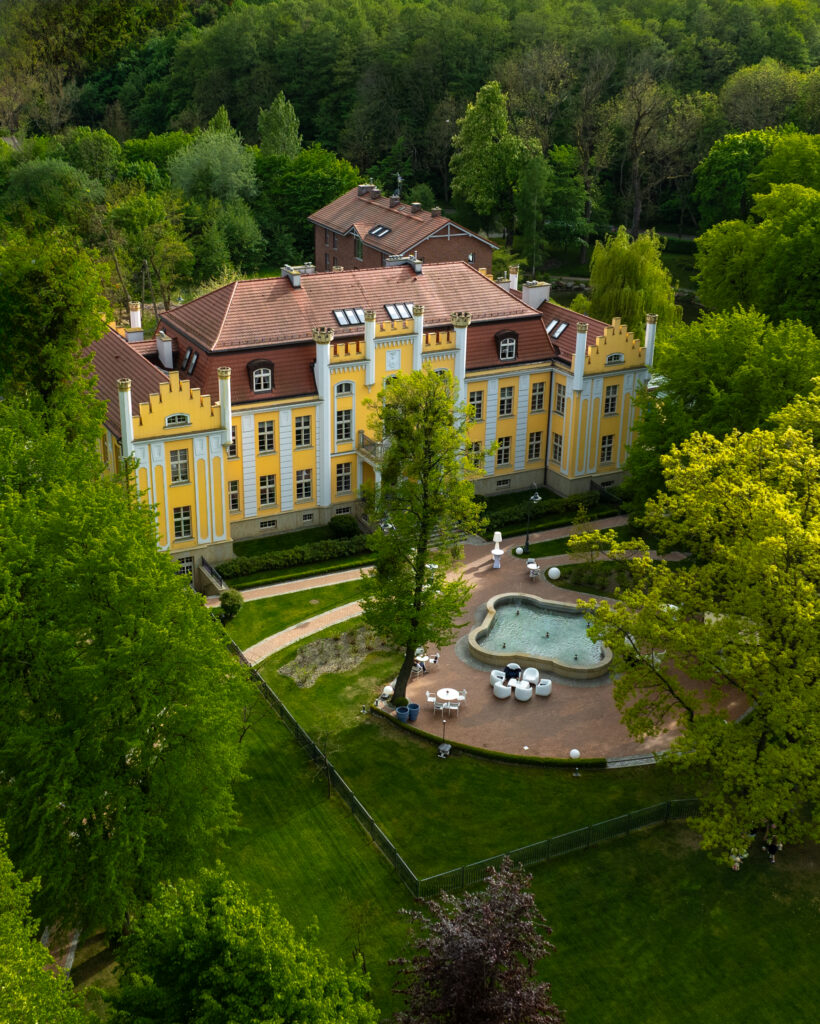
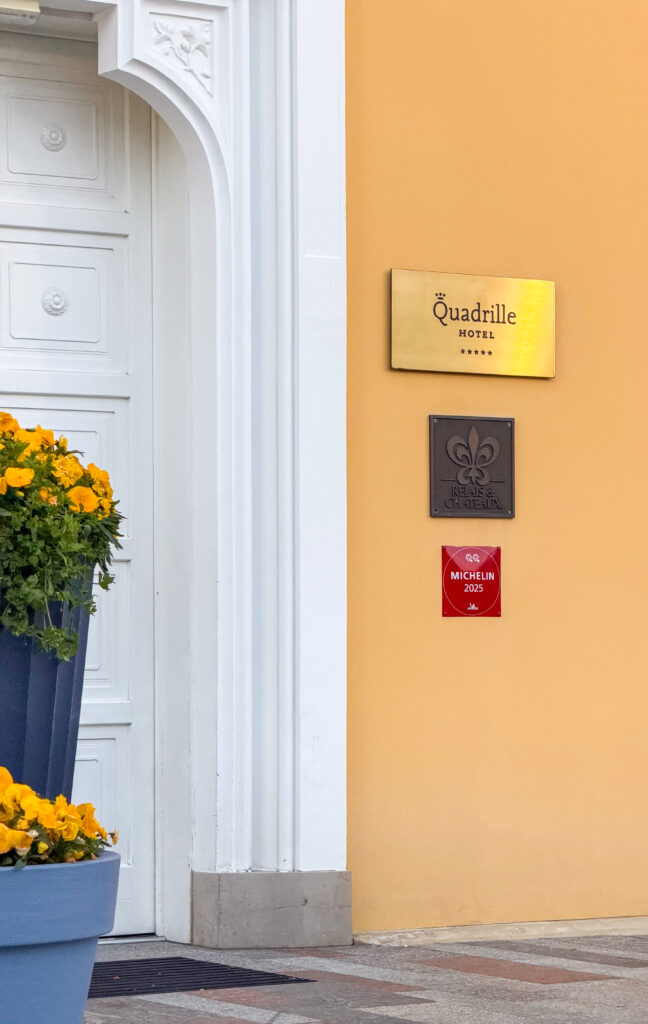
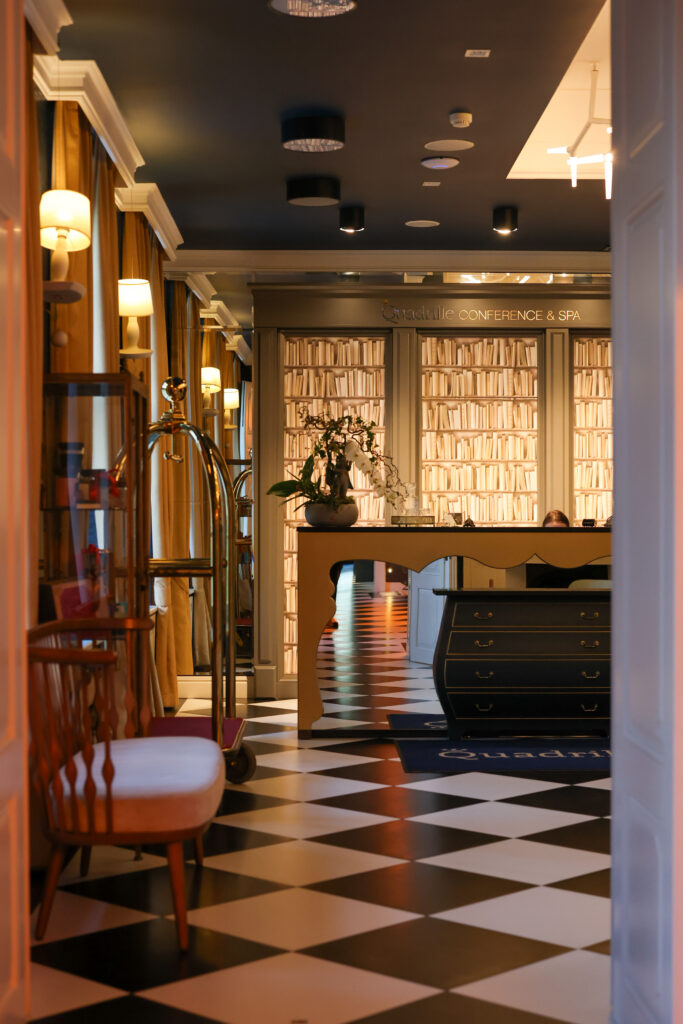
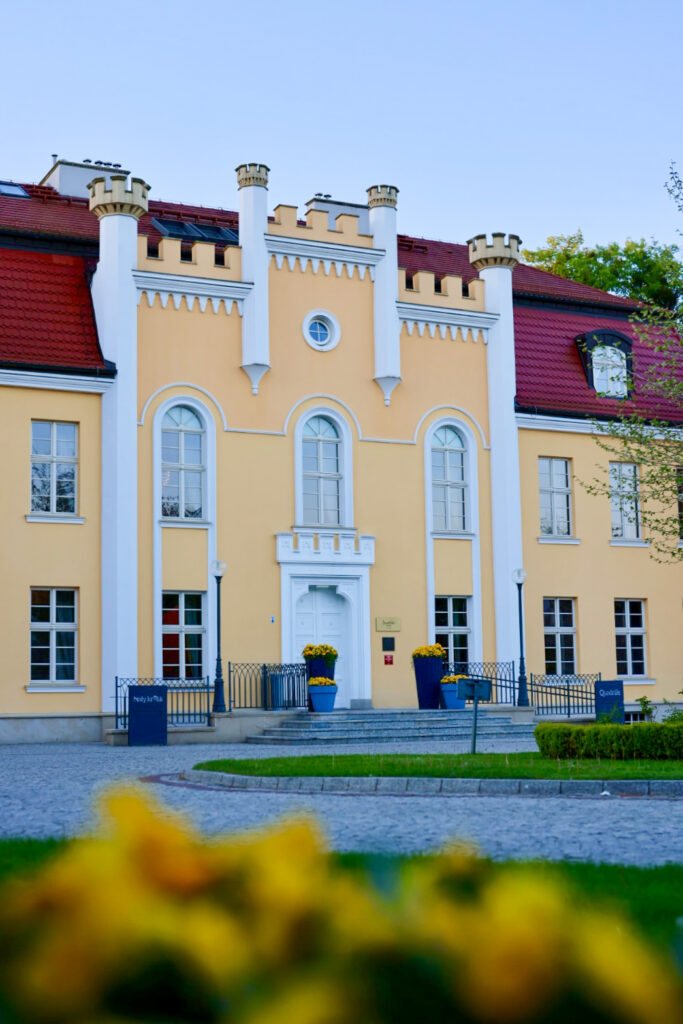
My first hotel in Poland was Hotel Quadrille. After the long drive from Copenhagen, it was exactly the kind of place I needed.
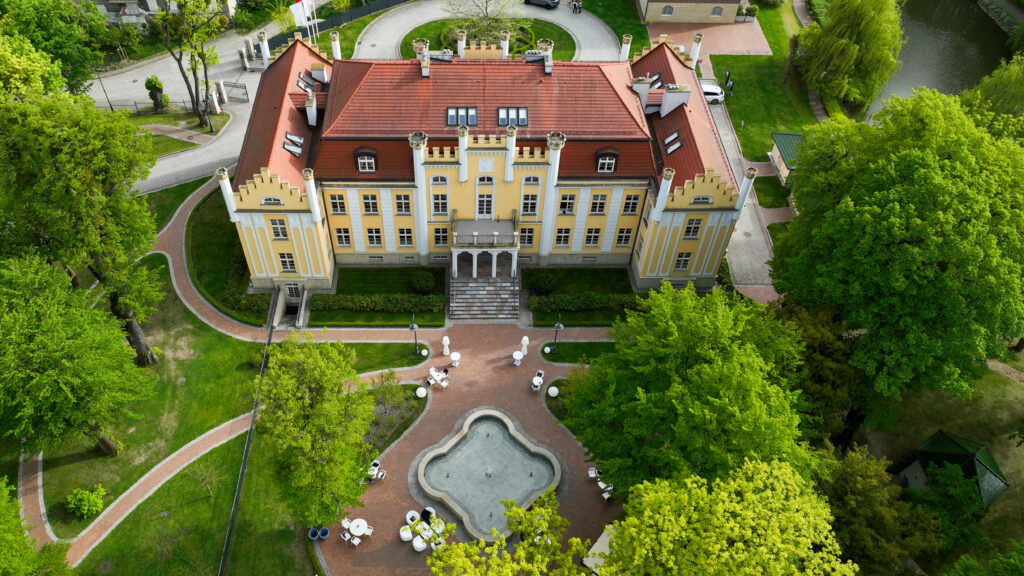
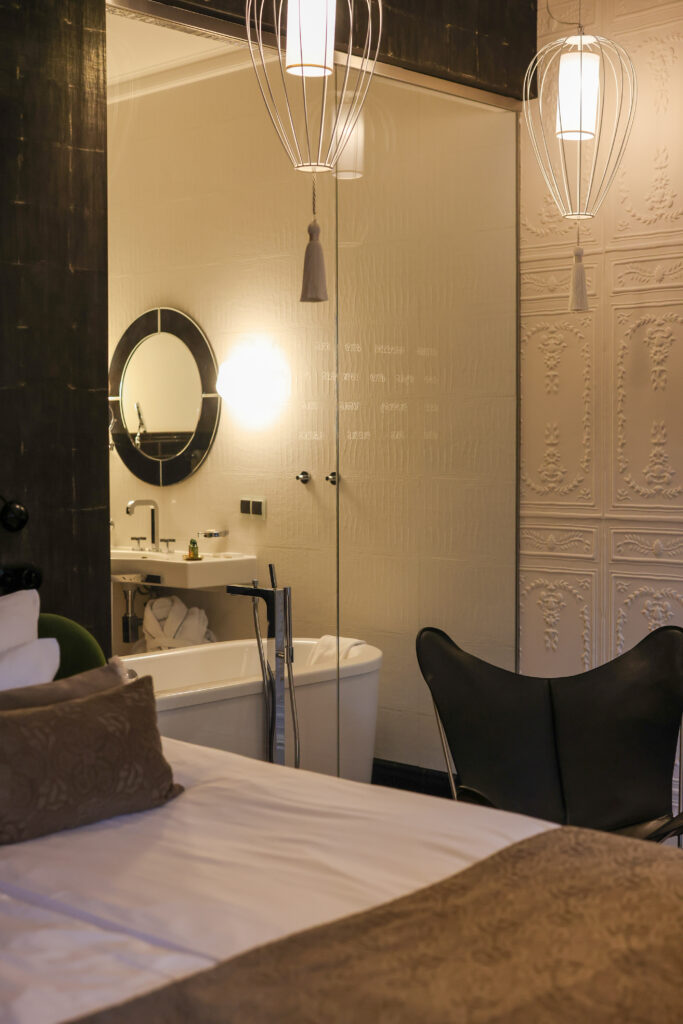
The hotel sits inside a green park, hidden away from the busiest parts of the city. Driving through the gates felt like leaving the road behind. The historic manor house is surrounded by trees and gardens, while the interiors have a more playful character with references to Alice in Wonderland.
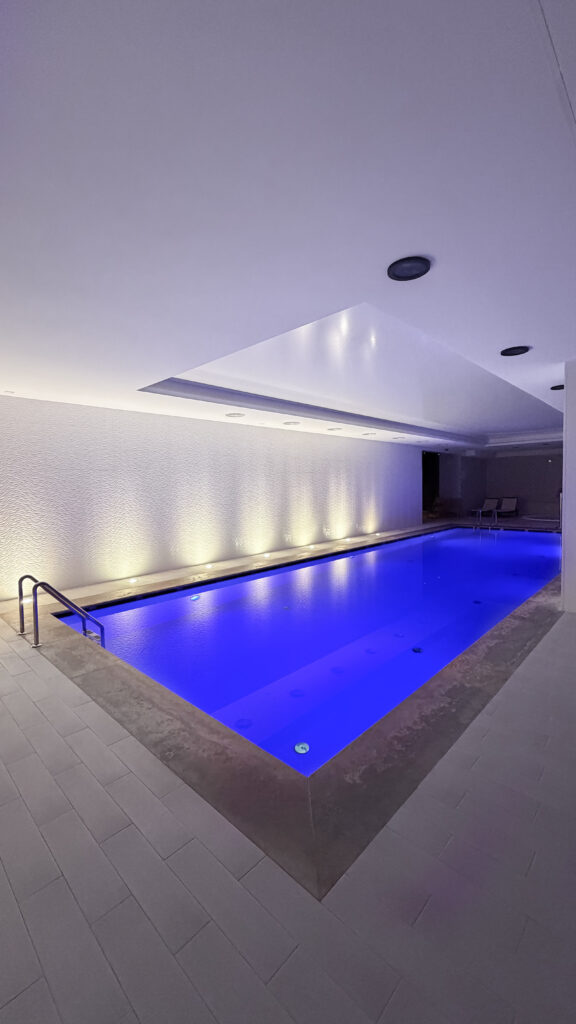
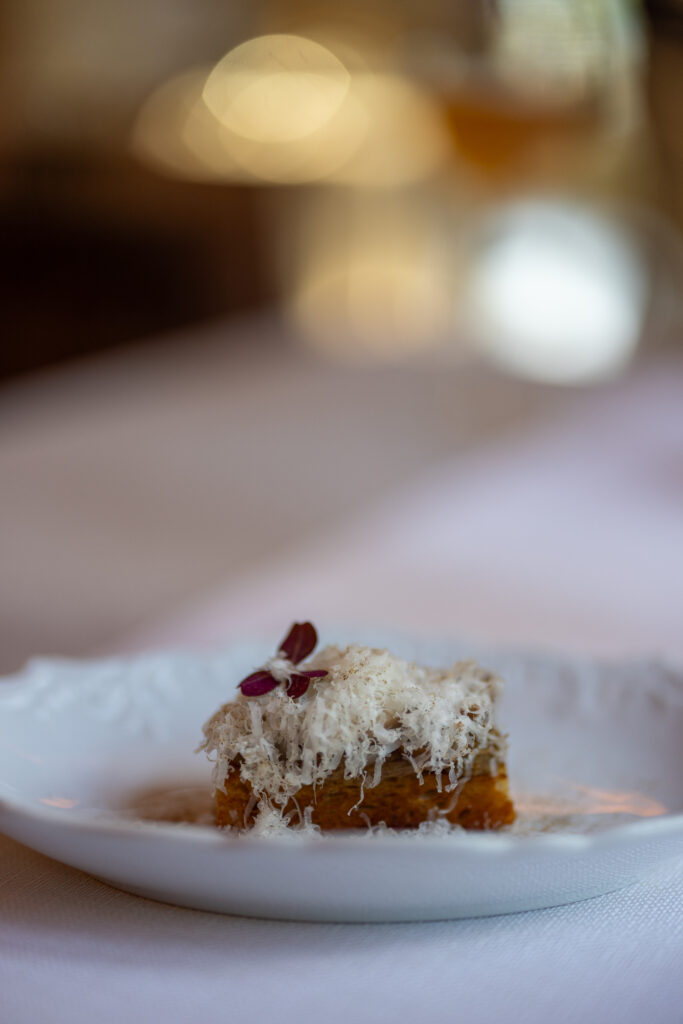
What I enjoyed most was the peace. I could spend the day exploring the coast and return to complete calm in the evening. I walked through the gardens, used the wellness facilities, ate slowly and slept well.
On a long road trip, those simple things matter.
The next morning, I sat down for breakfast with coffee and green views outside. No rush. Just the feeling that the journey had started exactly the way I hoped.
Warsaw – A City I Completely Misunderstood
From Gdynia, I continued south towards Warsaw. This became one of the biggest surprises of the trip.
Before arriving, I pictured Warsaw as a serious capital. History, politics and business. Maybe even a little grey. I was wrong.
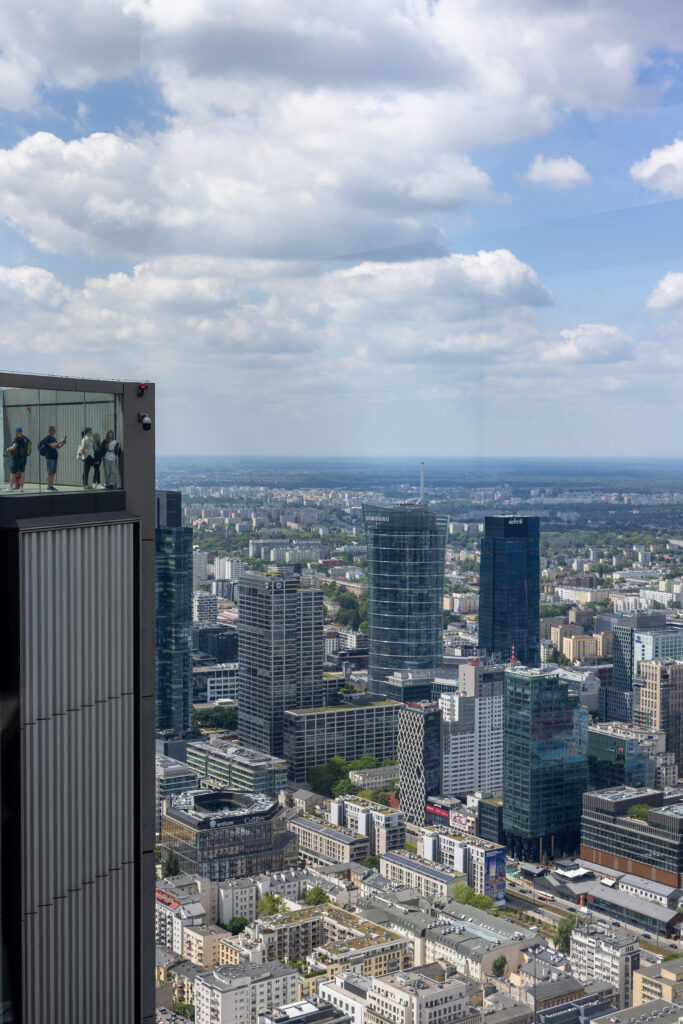
The city felt modern from the moment I arrived. Glass towers rise across the skyline, new buildings continue to appear and construction cranes are everywhere. There is movement, energy and ambition. Warsaw feels like a city that is still becoming something.
At the same time, history is always present. You move between reconstructed streets, monuments and modern architecture. The contrasts are everywhere.
I spent much of my time simply walking and looking. Old beside new. Heavy history beside a young, forward-looking city. That mixture gives Warsaw its personality.
It was much more international than I expected. The cafés were busy, restaurants were full and the city felt alive well into the evening. I left feeling like I had only just started understanding it.

InterContinental Warsaw
I stayed at InterContinental Warsaw in the heart of the city. The location was good, but the view was even better.
From the higher floors, Warsaw stretched out beneath me. The Palace of Culture and Science stood between modern towers, roads disappeared between buildings and new developments reached towards the horizon.
I stood by the window for a long time. Sometimes seeing a city from above changes your entire impression of it. Warsaw suddenly felt much bigger, much more modern and much more ambitious.
At night, the view changed again. Thousands of lights appeared below, and the city looked almost futuristic. It was difficult to connect this Warsaw with the image I had in my head before the trip.
Highline Warsaw
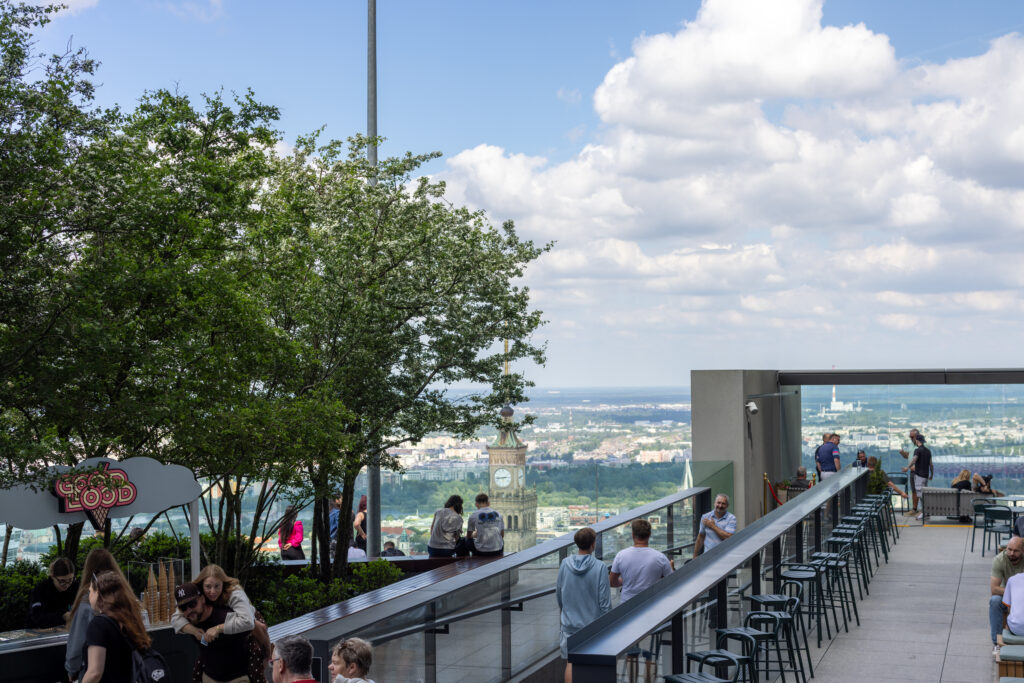
Lunch at Highline gave me another view across the city. I sat high above Warsaw with the skyline stretching in every direction.
From up there, the contrasts became even clearer. Historic buildings, modern towers, wide roads, construction and neighborhoods constantly changing.
I liked being able to sit still and simply watch. Travel is often about moving, but some of my favorite moments happen when I stop. This was one of them.
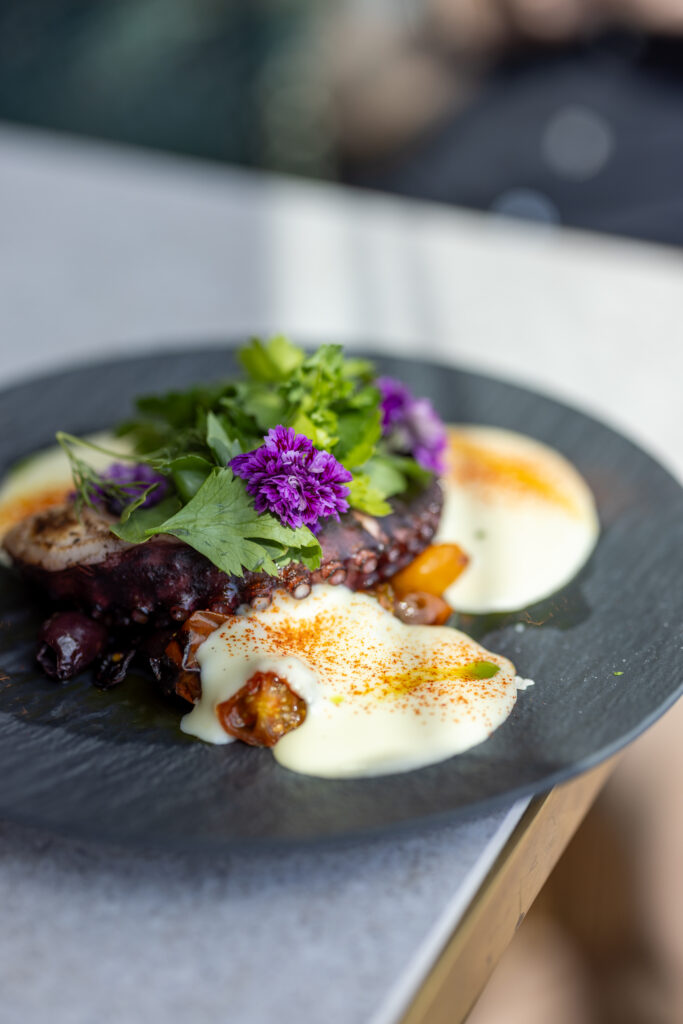
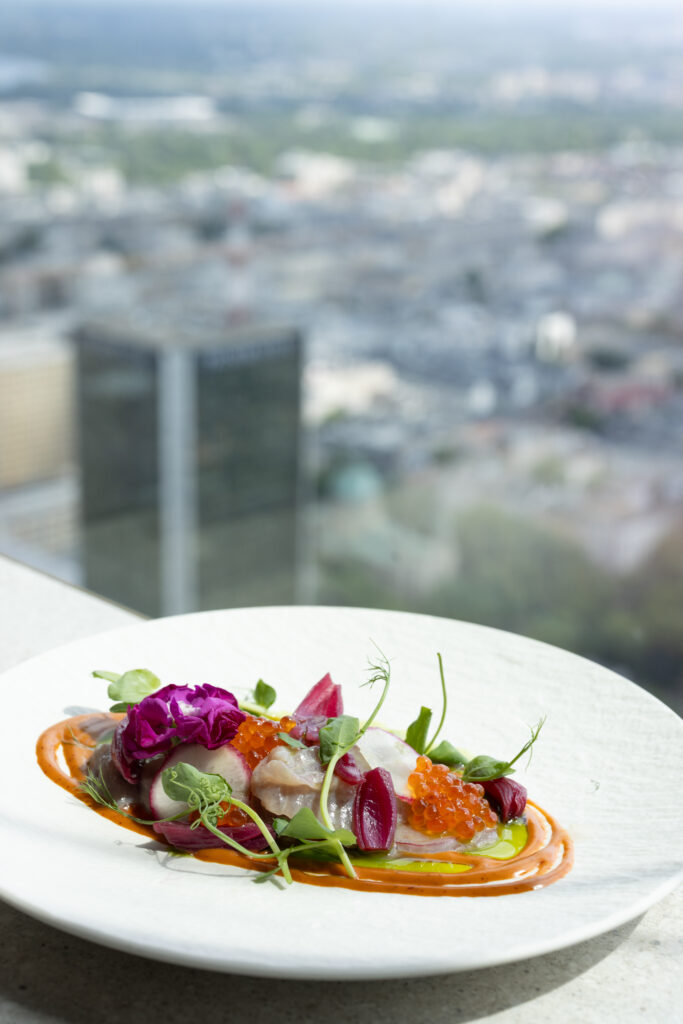
TUNA by Martin Gimenez Castro
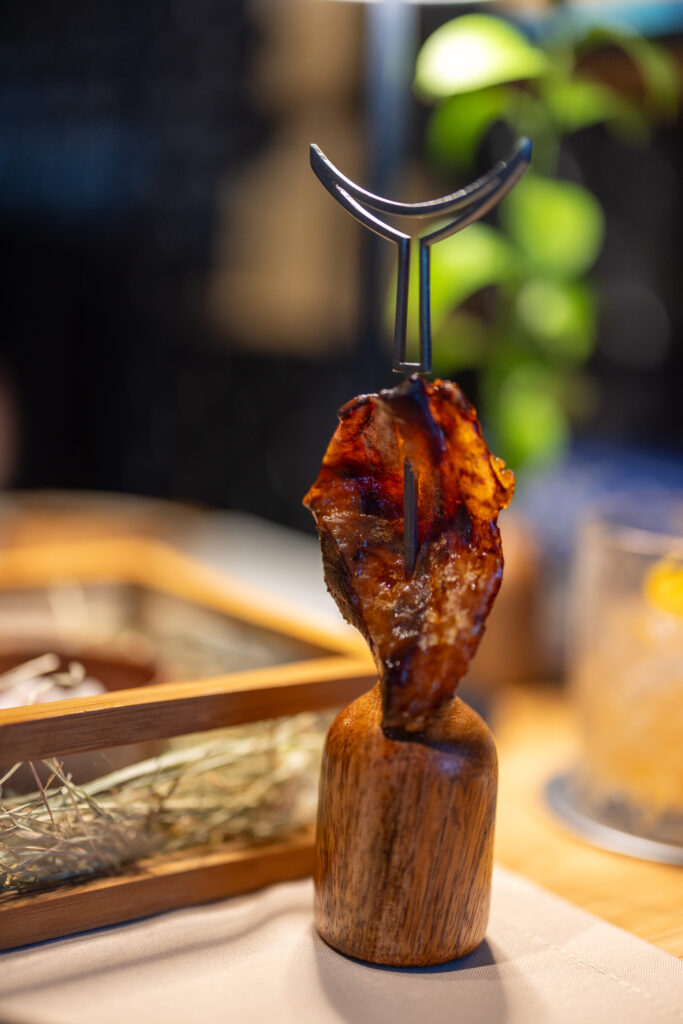
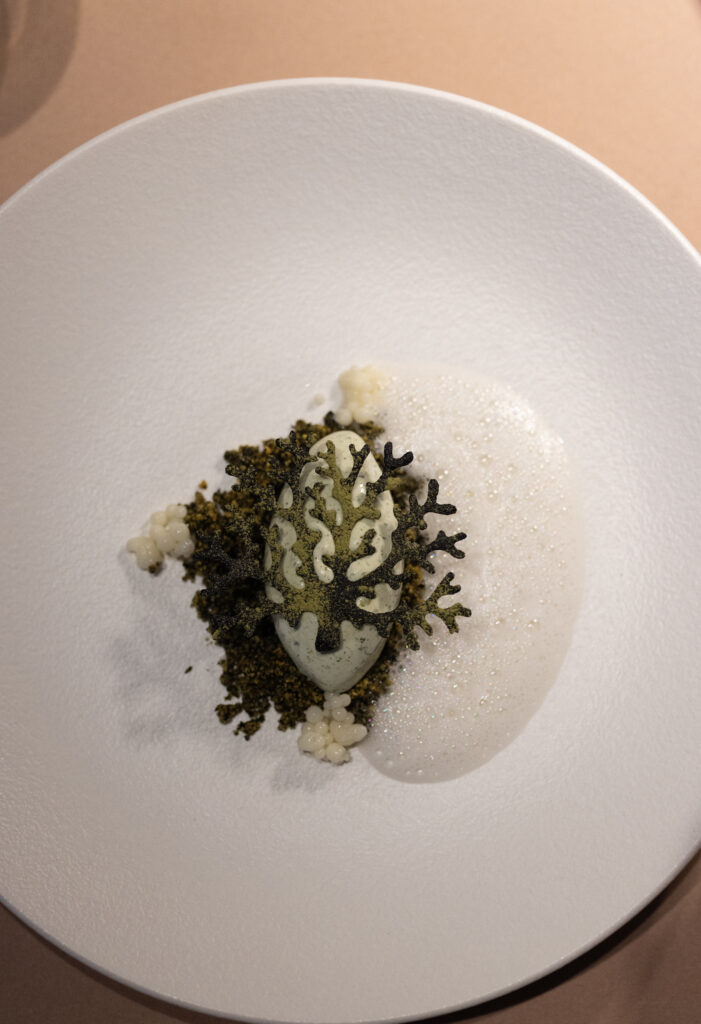
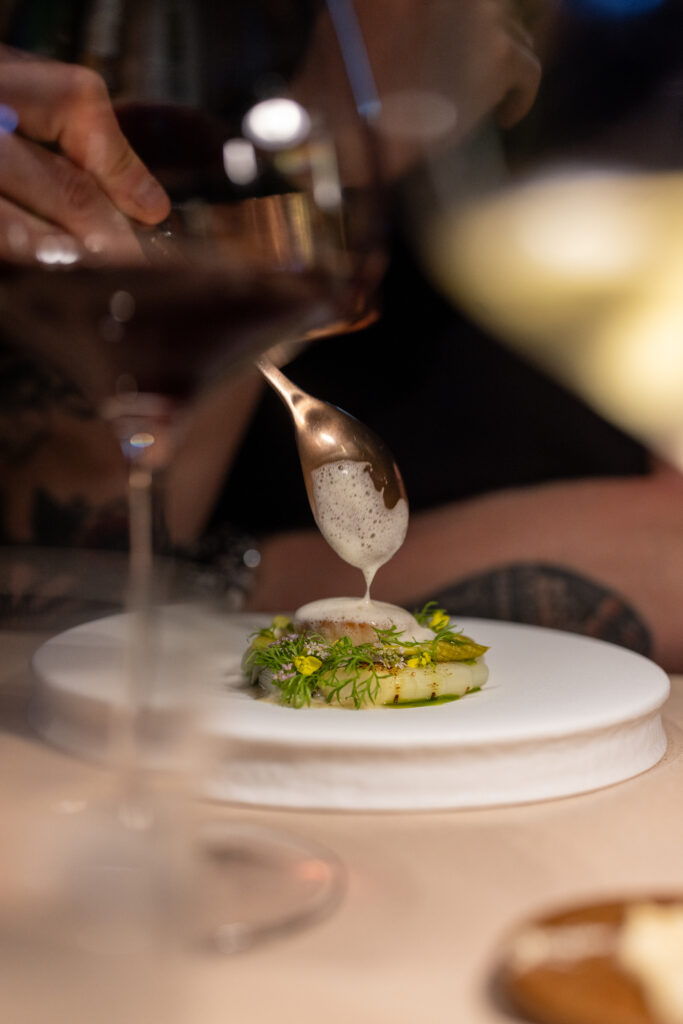
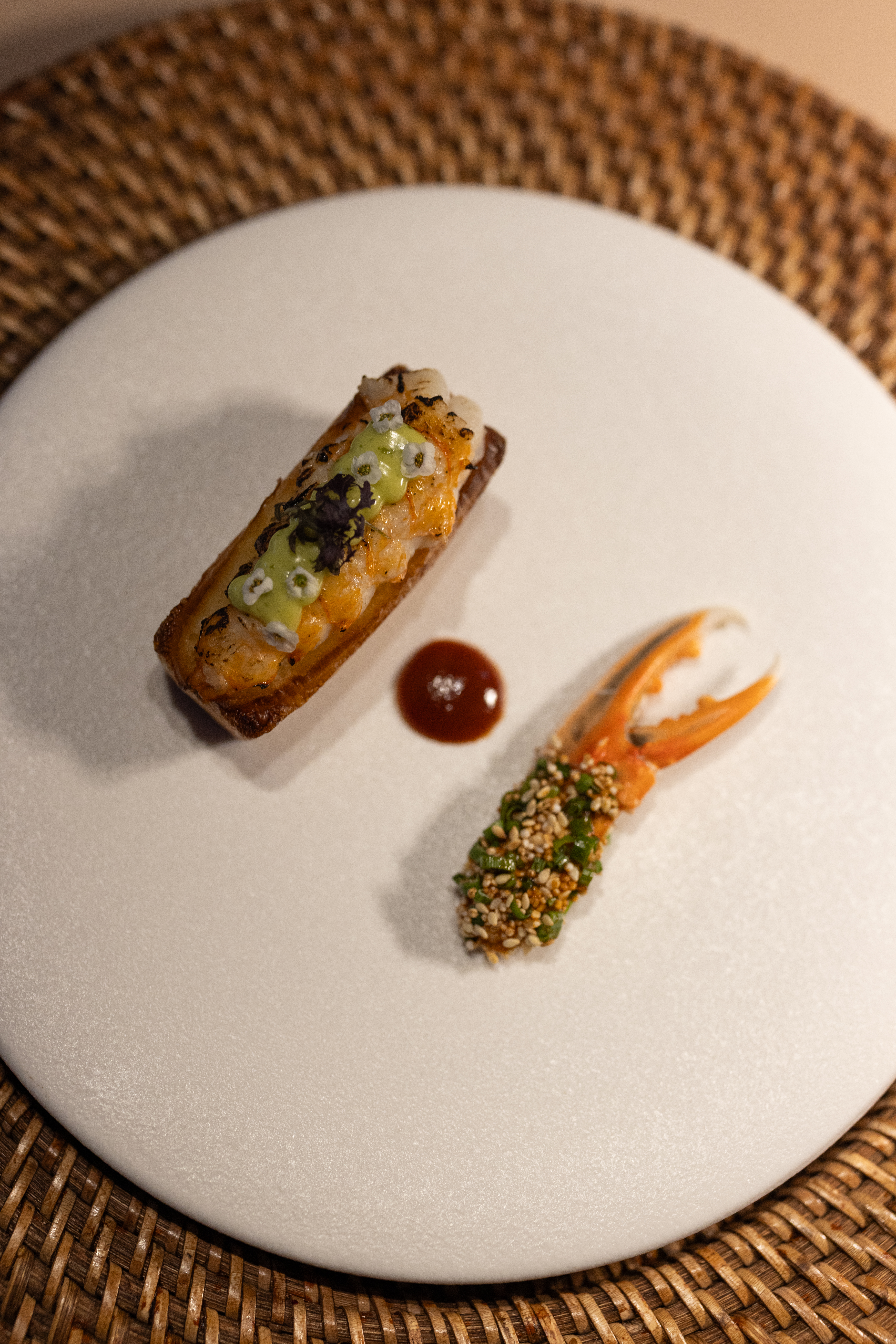
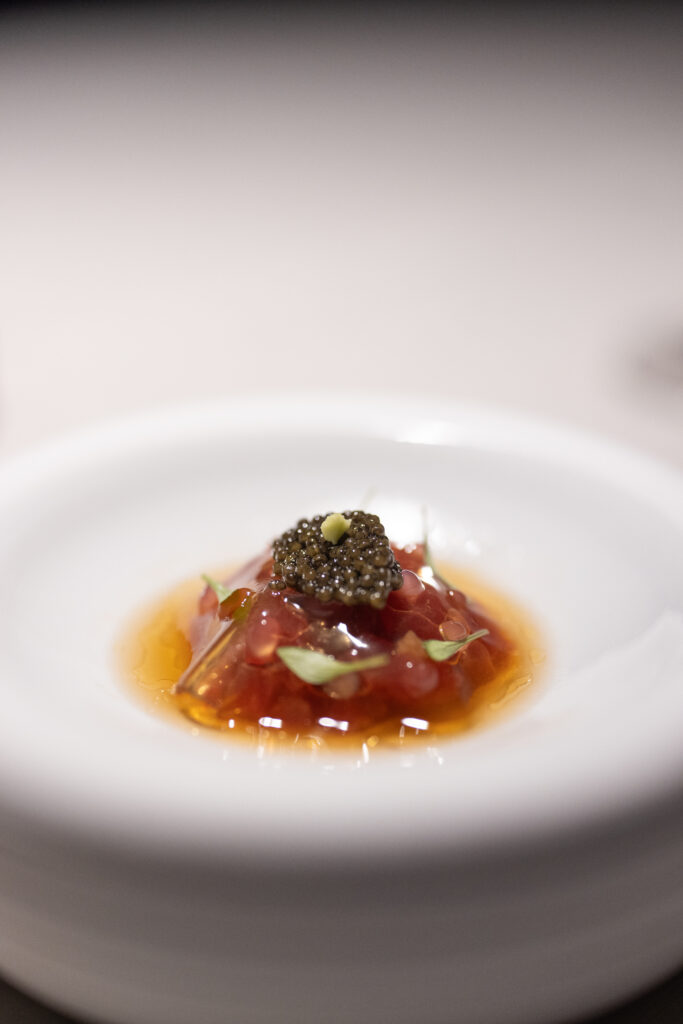
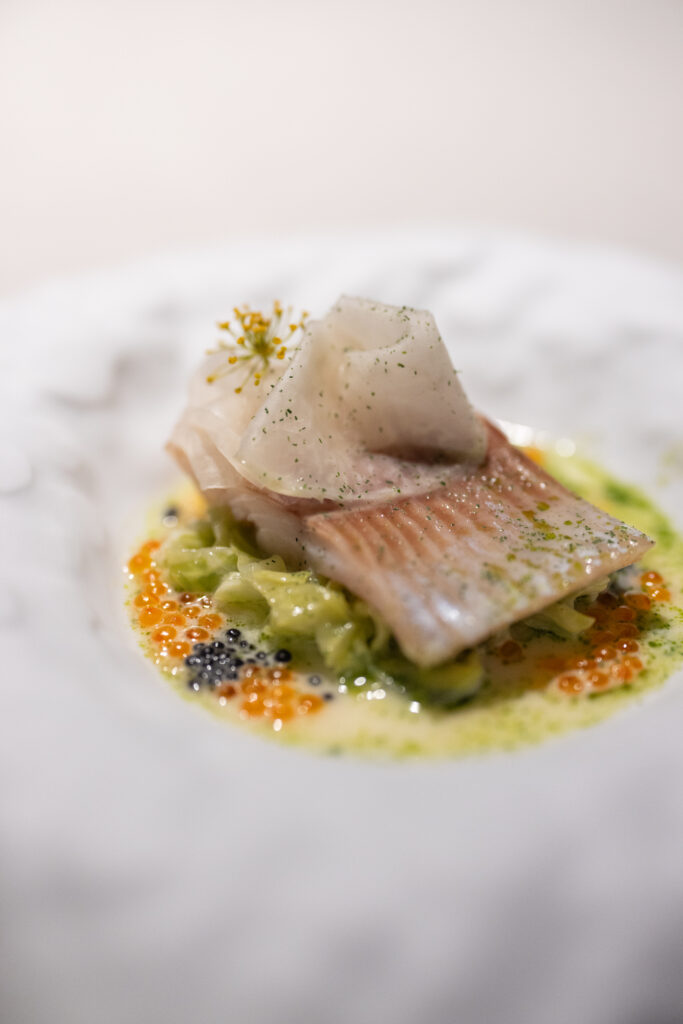
That evening, I experienced Warsaw through food. Dinner at TUNA became one of my first introductions to modern Polish gastronomy.
I didn’t really know what to expect. That became a theme throughout the trip.
The restaurant felt confident, modern and relaxed. No unnecessary formality. Just good ingredients, creative dishes and a clear identity.
I liked that. The evening felt polished without becoming stiff, and it made me curious. If this was the level in Warsaw, what else would I discover further south?
By the time I walked back through the city that night, Warsaw had already exceeded my expectations.
Krakow – History Everywhere
The next day, I drove south again. Krakow felt completely different.
Warsaw had been about scale and modern architecture. Krakow felt intimate, historic and slower.
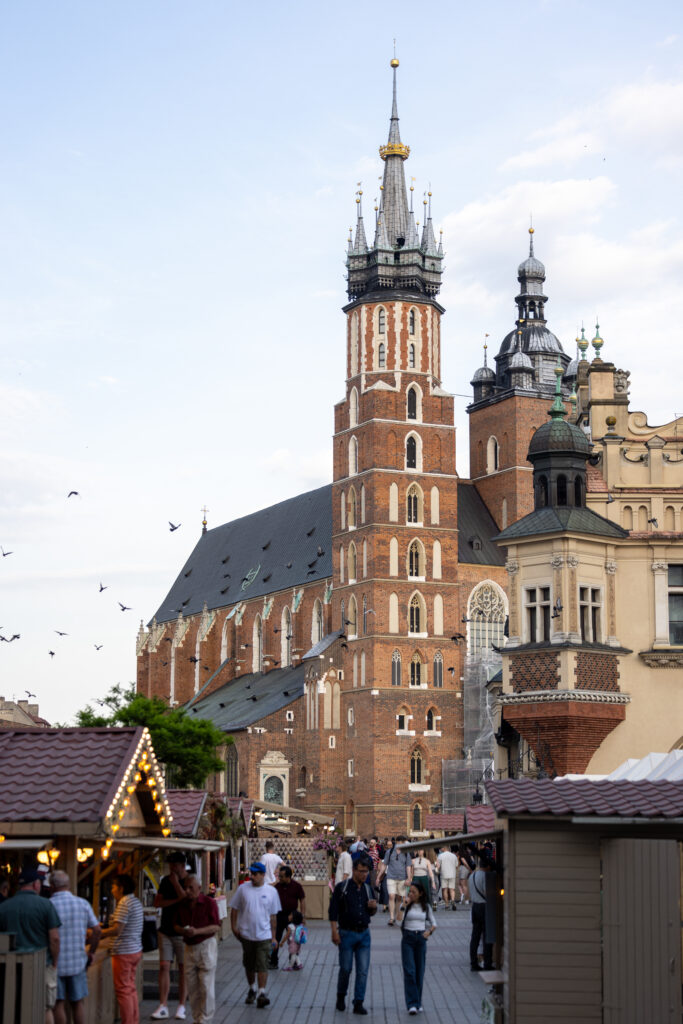
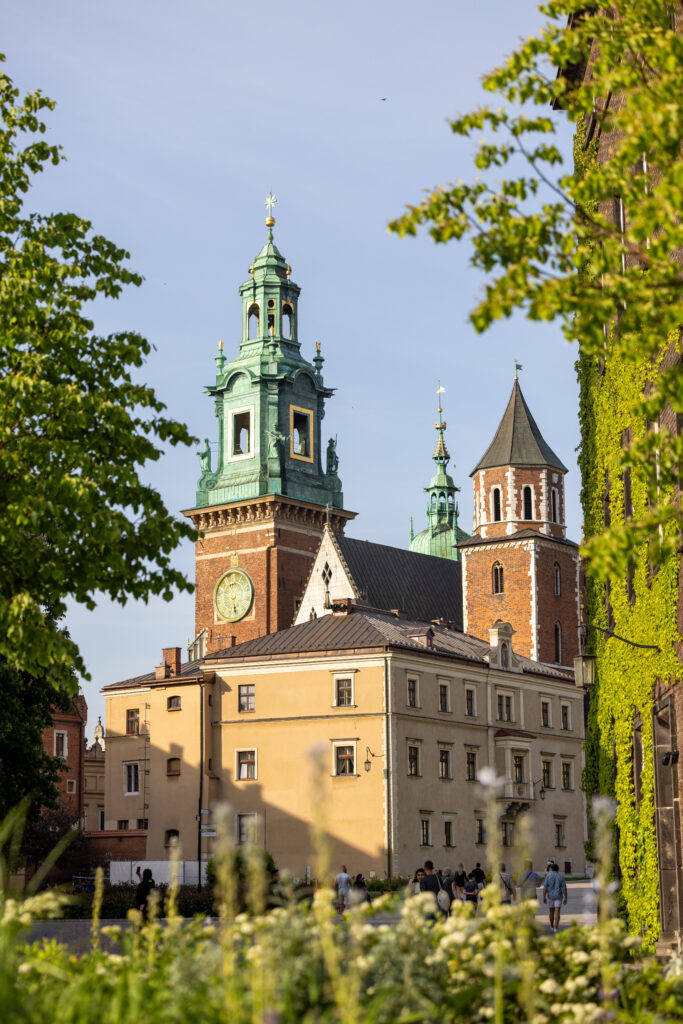
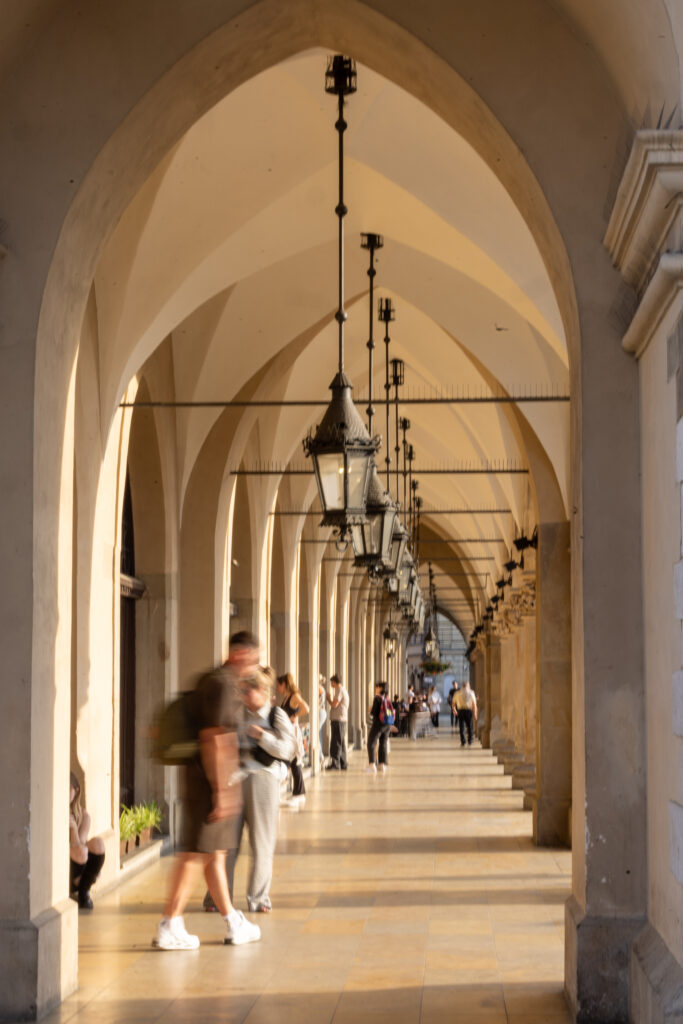
I parked the car and started walking. That is the best way to experience the city. Narrow streets, old facades, church towers, courtyards and squares. There was always something around the next corner.
I didn’t feel the need to plan much. I just walked.
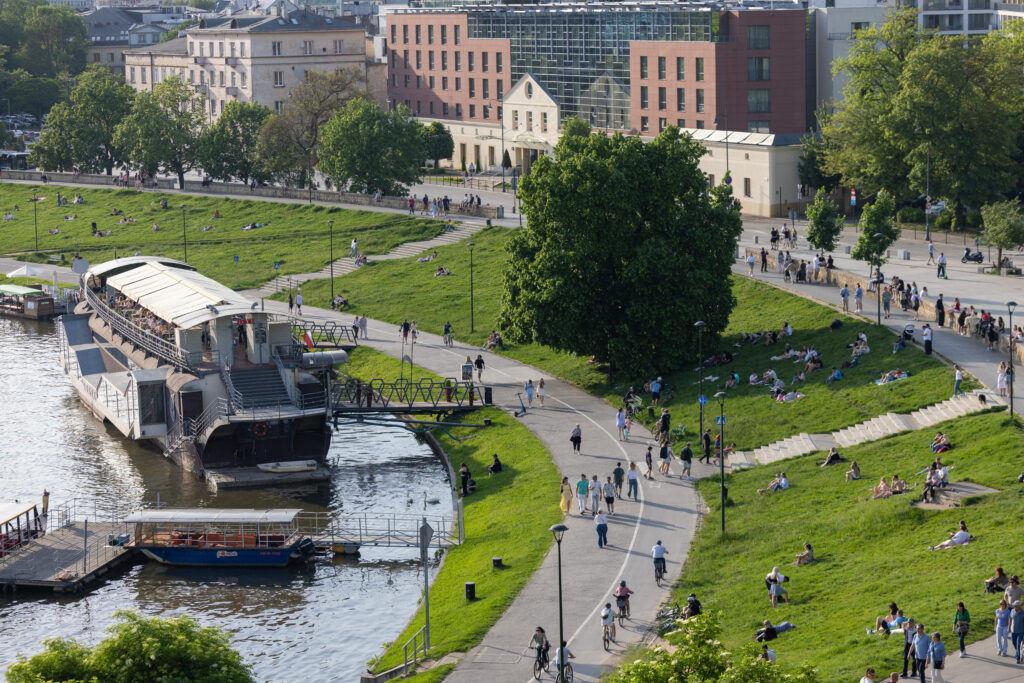
The Main Market Square is impressive, but I liked the quieter streets around it even more. That is where Krakow became personal. Small cafés, open windows, people sitting outside and old buildings glowing in the evening light.
History is everywhere here. You feel it in the architecture, the streets and the places surrounding the city. It gave the journey another layer.
Poland was no longer only surprising me with new hotels and restaurants. It was also forcing me to think about the country in a much deeper way.
Molám
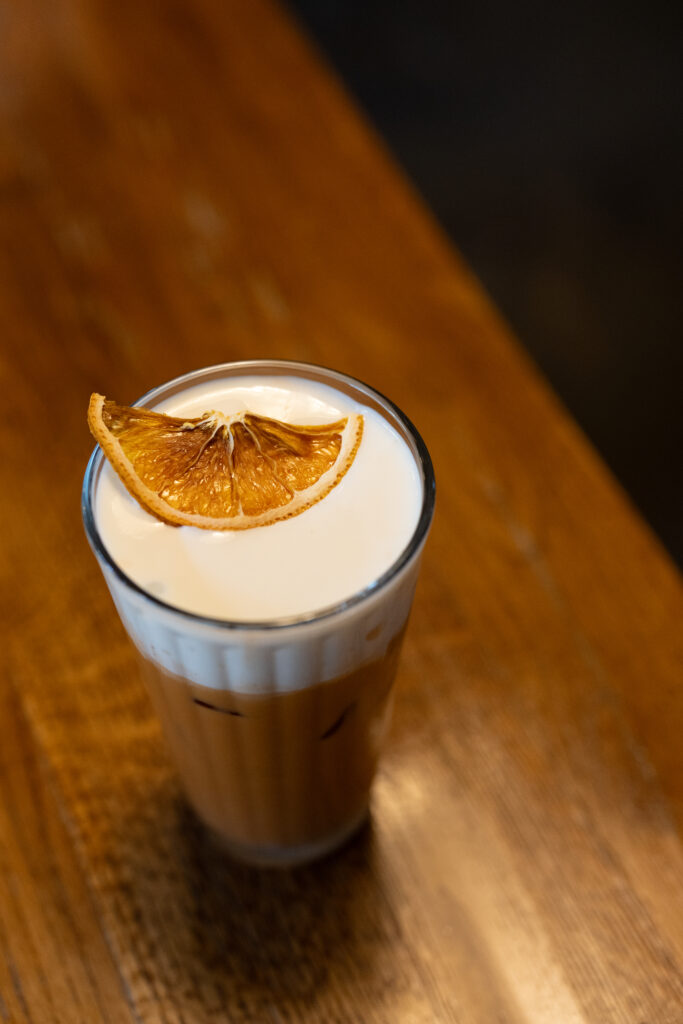
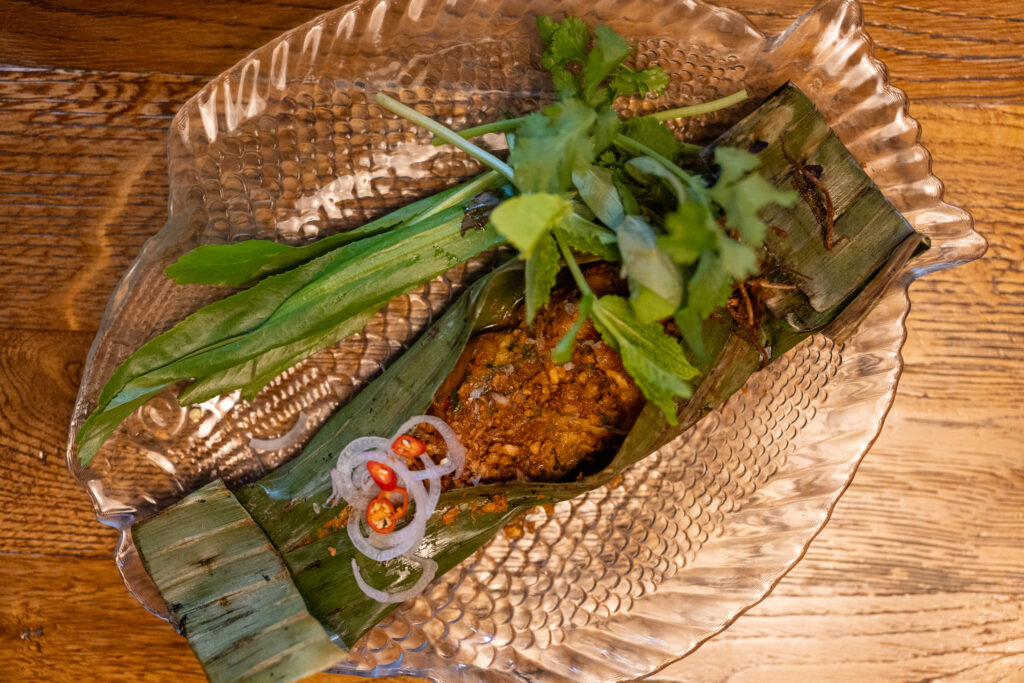
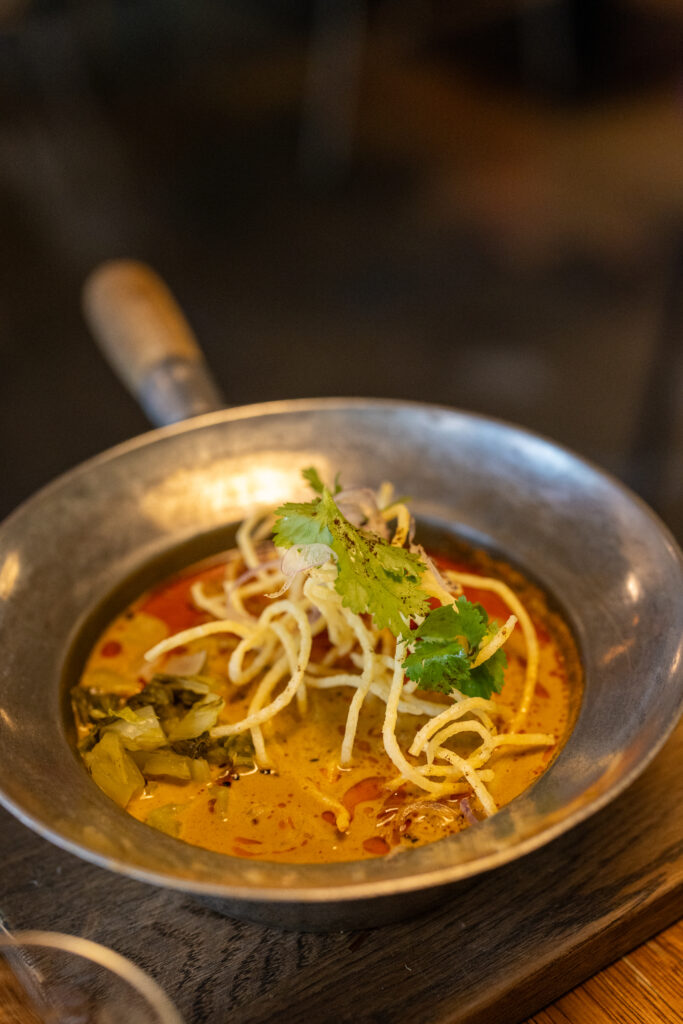
Lunch in Krakow took me somewhere completely different. Thai food.
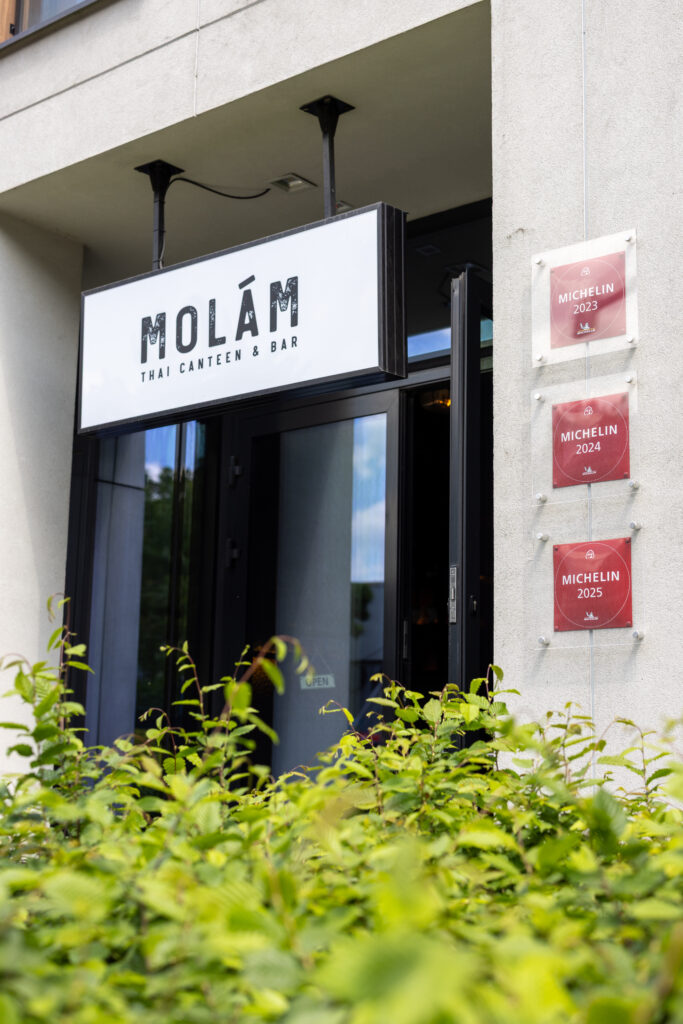
Molám was lively from the moment I entered. Warm atmosphere, bold flavors and fresh ingredients. It felt energetic and modern, exactly the opposite of the quiet old streets outside.
And I loved that contrast.
Krakow is historic, but it is not stuck in history. Places like Molám show a young, international side of the city. That was something I hadn’t expected.
Hotel Copernicus
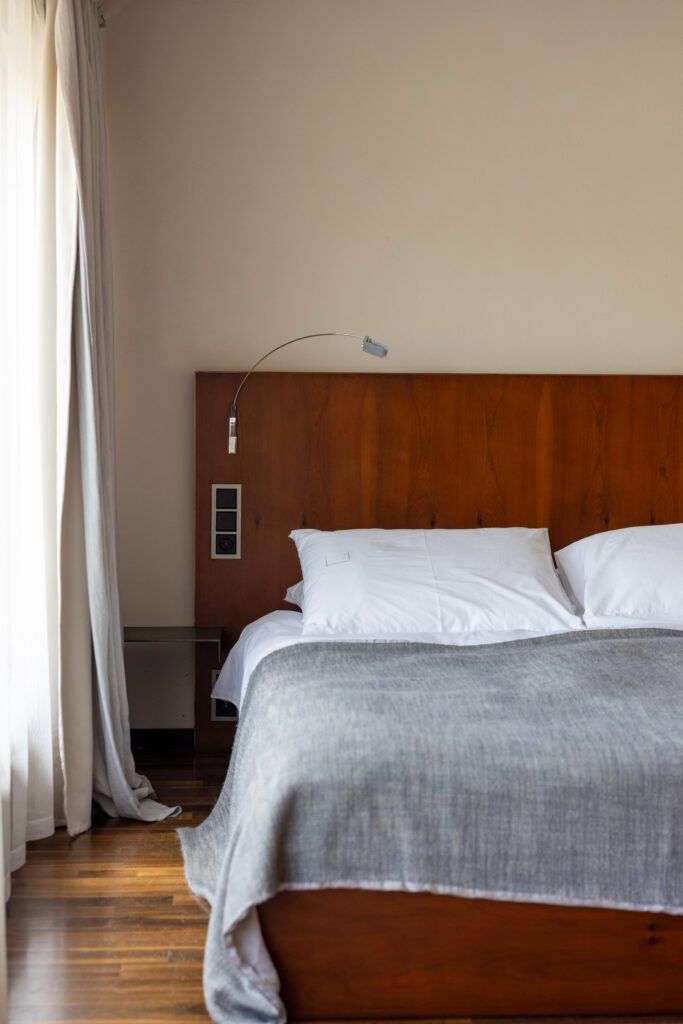
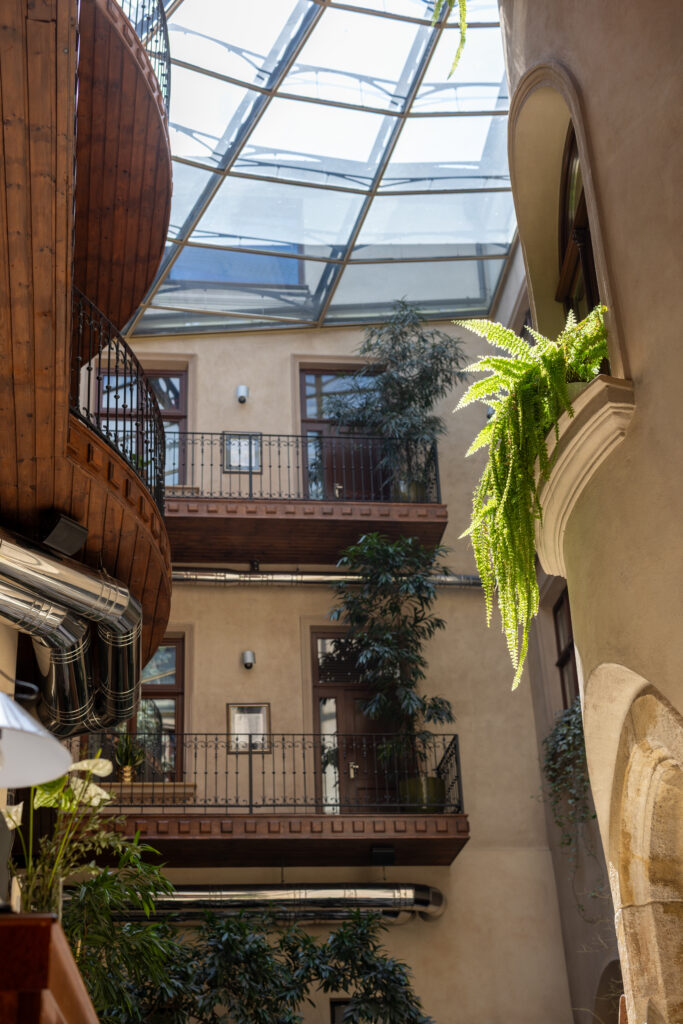
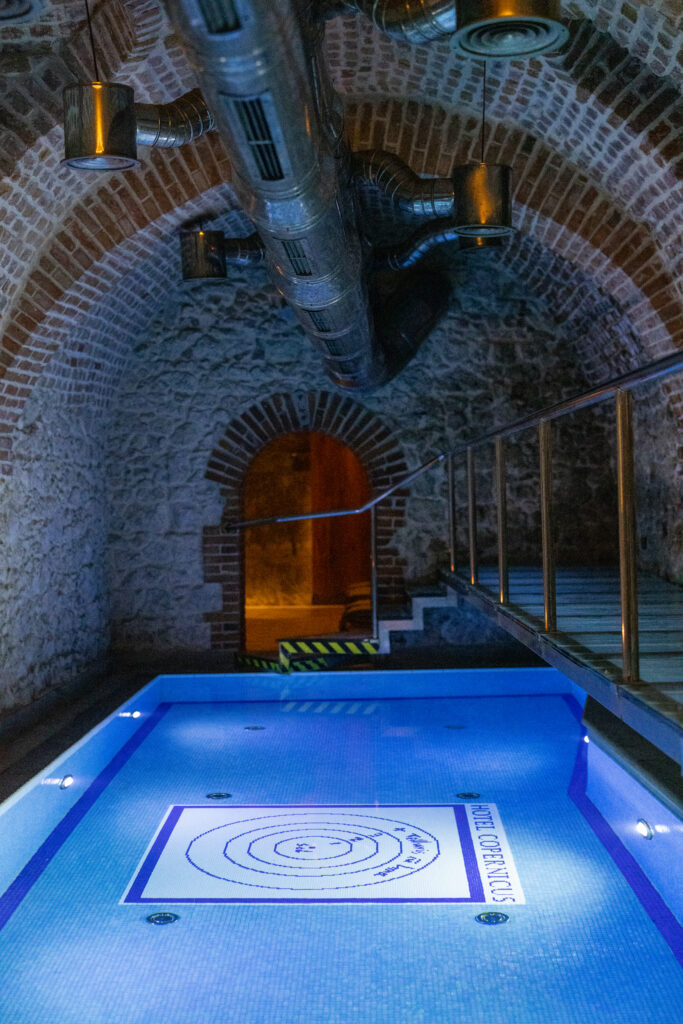
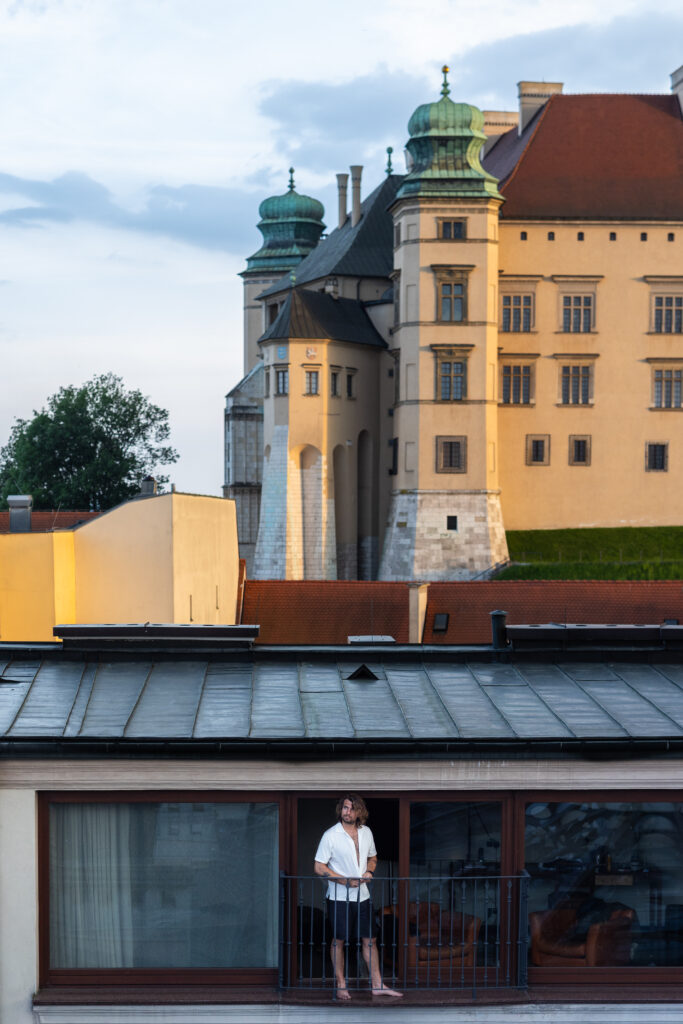
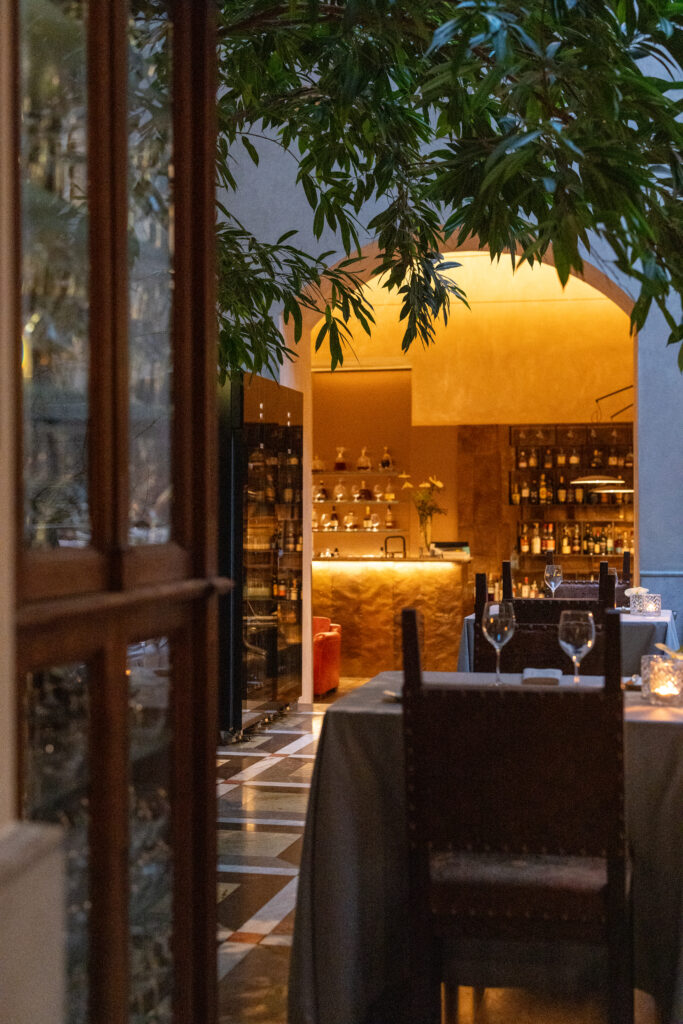
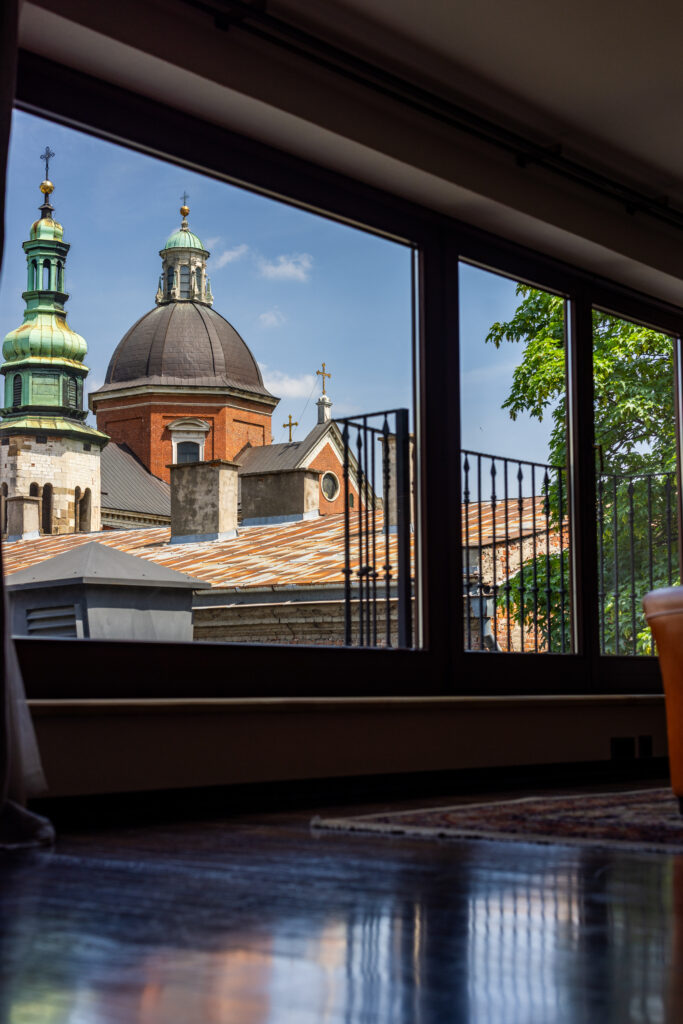
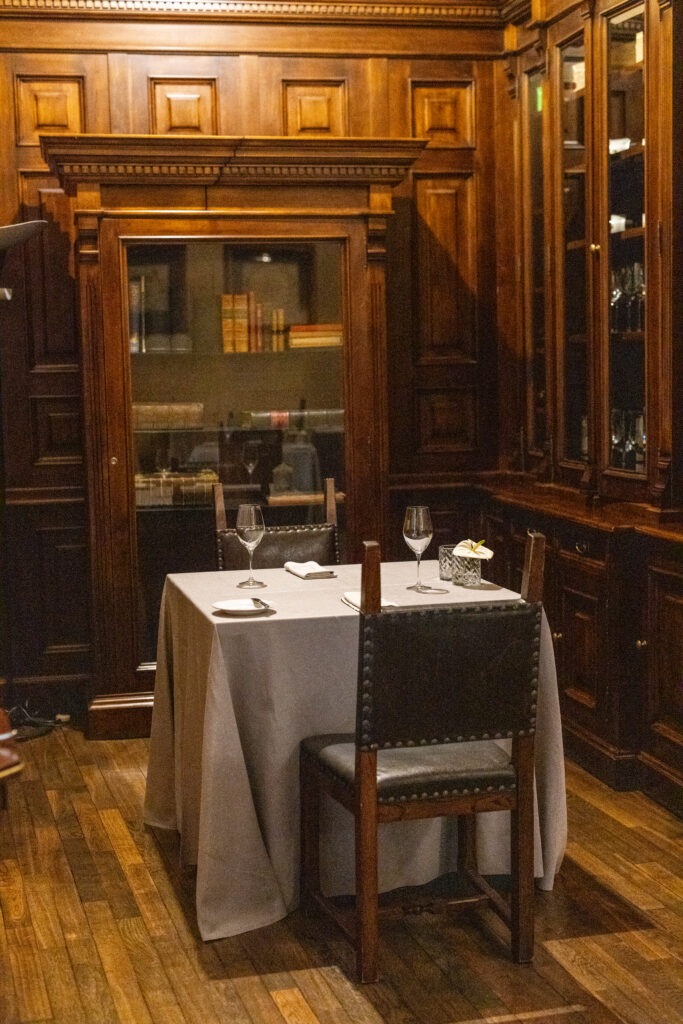
That evening, I checked into Hotel Copernicus. This hotel felt completely connected to Krakow.
Old walls, historic details and quiet spaces. Nothing felt anonymous. I liked that immediately.
When I travel, I want hotels to remind me where I am. Hotel Copernicus did exactly that.
I walked through the old town in the evening. The streets became quieter, the light softened and then I walked back to the hotel. No car and no taxi. Just a few final minutes in the old city.
It was one of the nicest ways to end the day.
Lake Ro?nowskie – Slowing Down
After several days in cities, I needed nature. So I left Krakow and continued south.
The roads became smaller, traffic disappeared and the landscape became greener. Villages replaced city blocks and forests appeared between the hills.
Then I reached Lake Ro?nowskie.
I had never heard of it before planning this trip. That was part of the charm.
There was no famous attraction waiting and no checklist. Just water, hills and quiet surroundings.
This is why I love road trips. You don’t only experience the famous destinations. You also experience everything in between. The small towns, roadside cafés and landscapes that slowly change.
Places you would never discover from an airport.
Heron Live Hotel
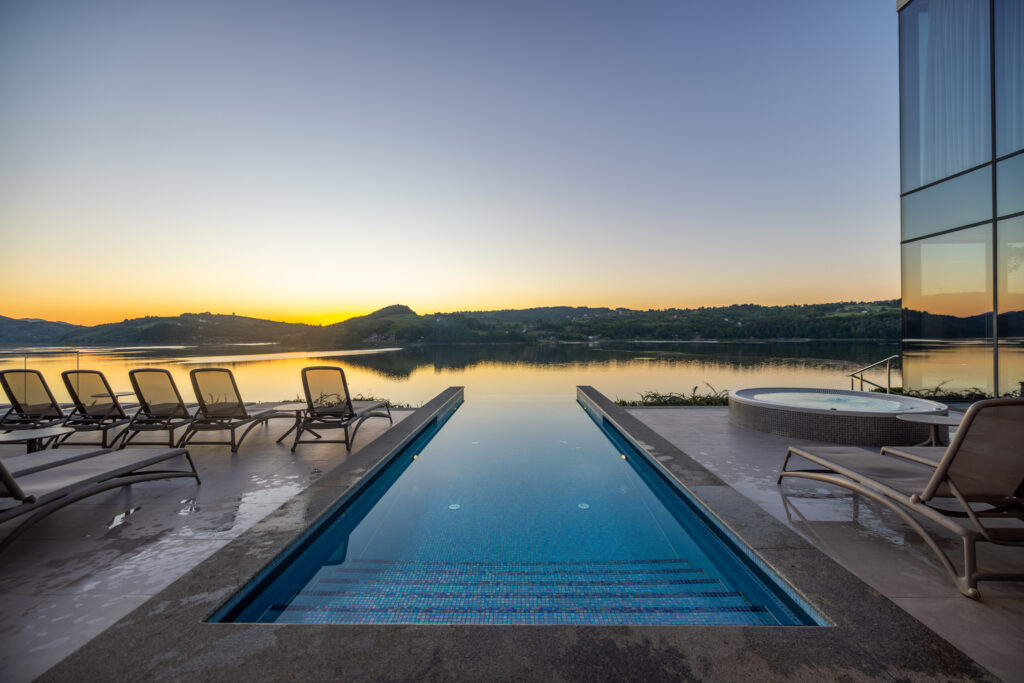
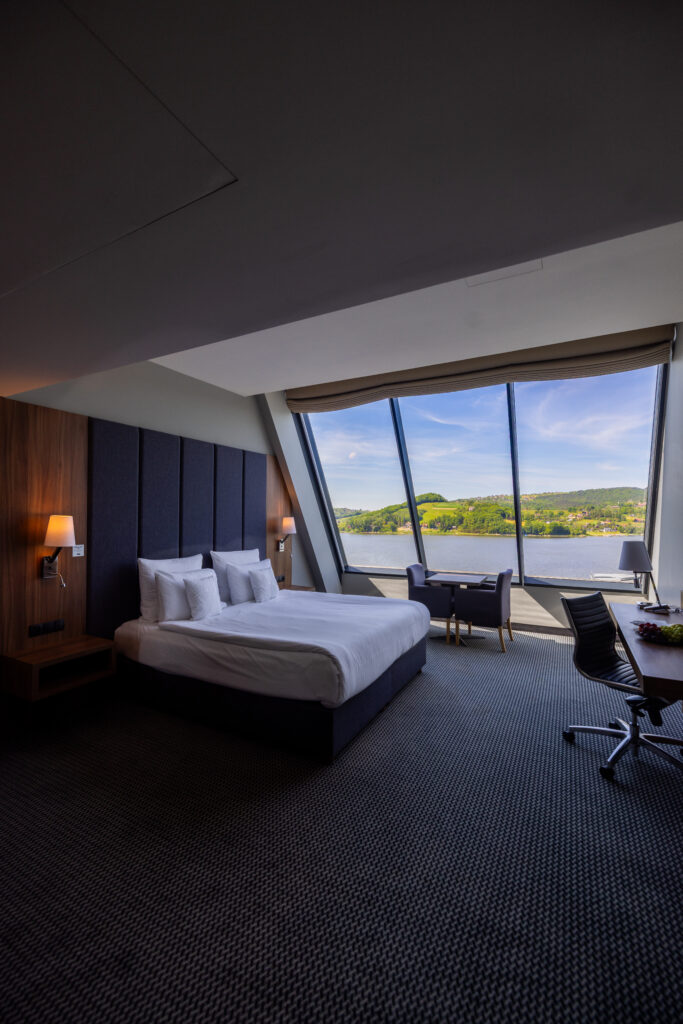
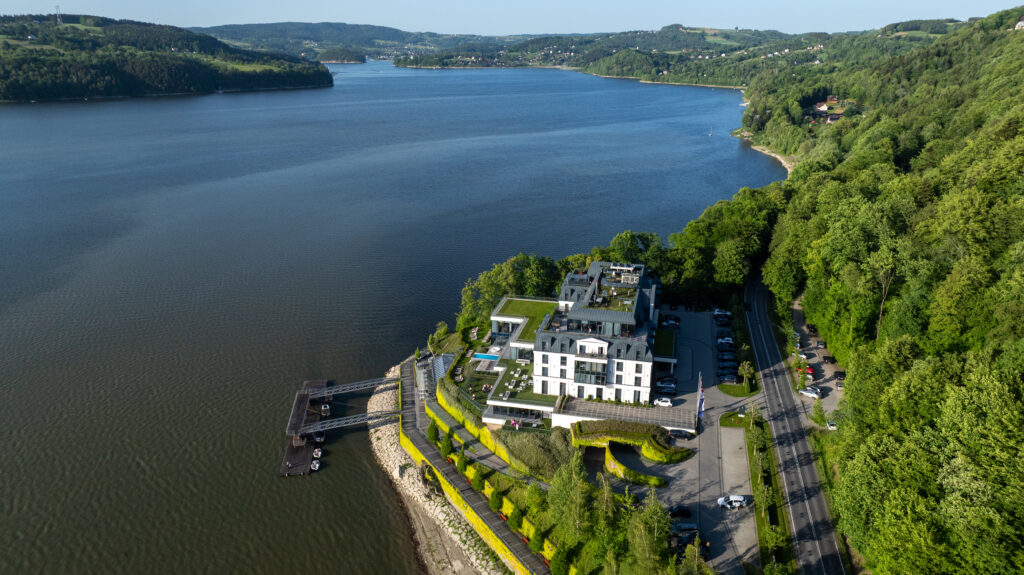
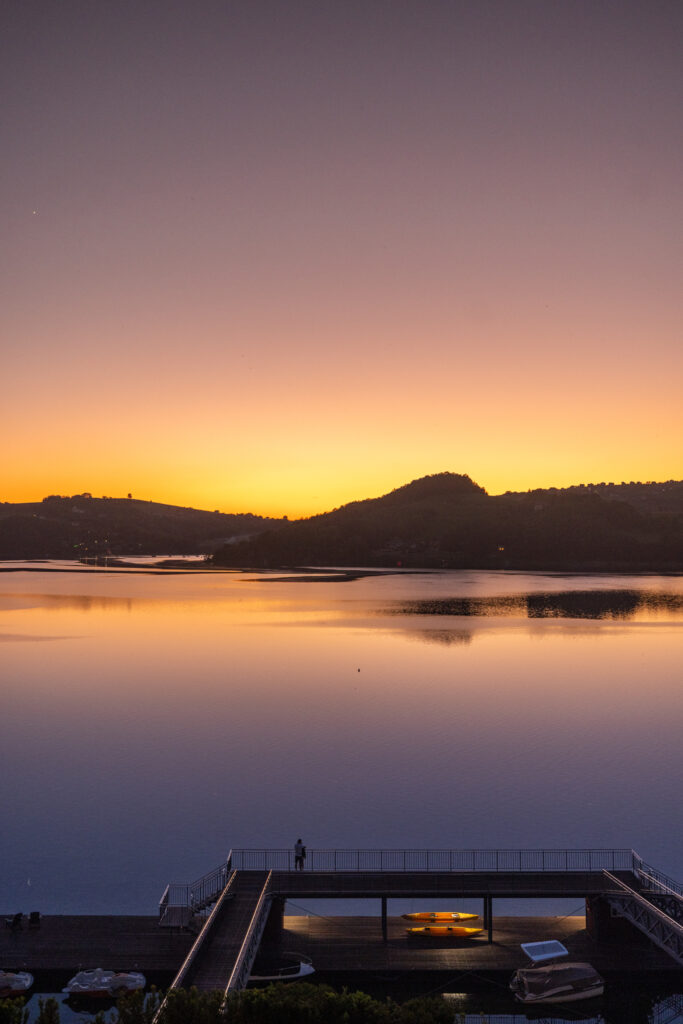
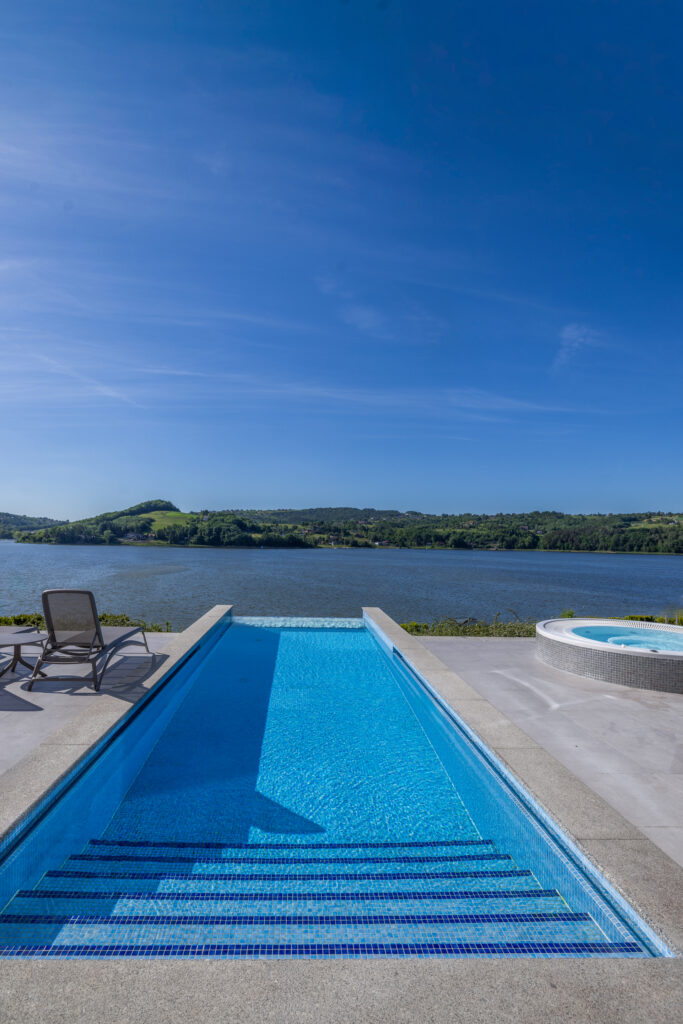
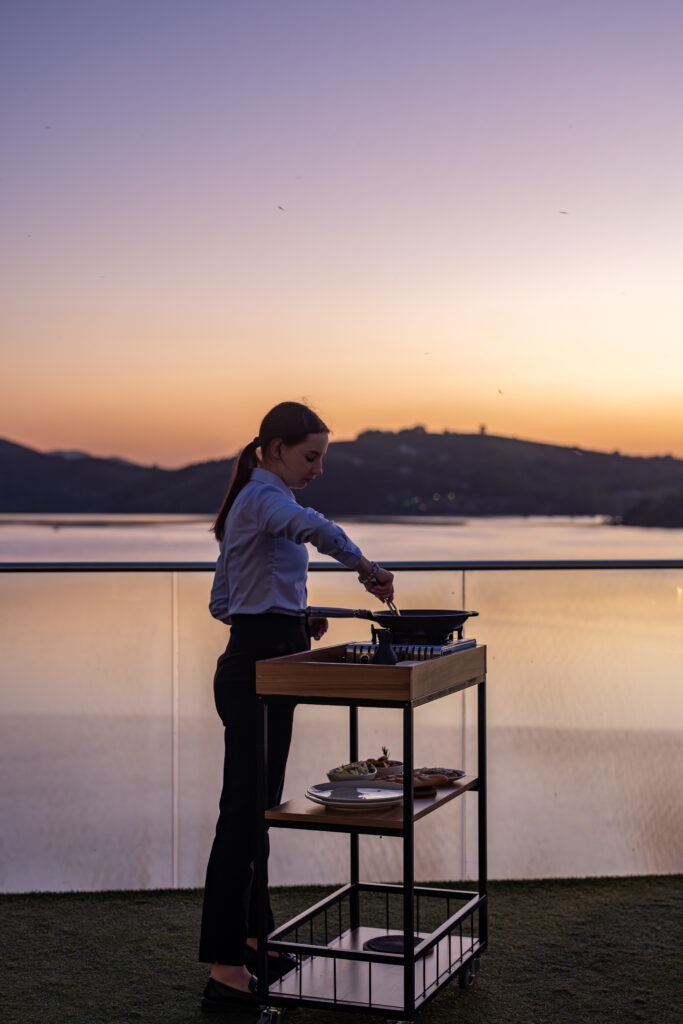
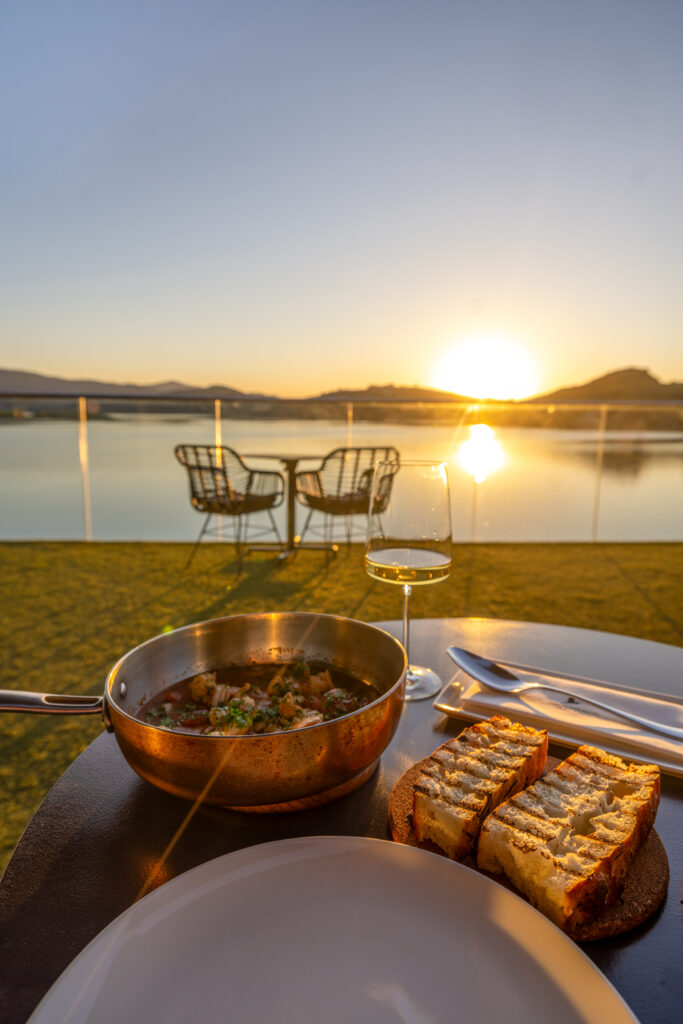
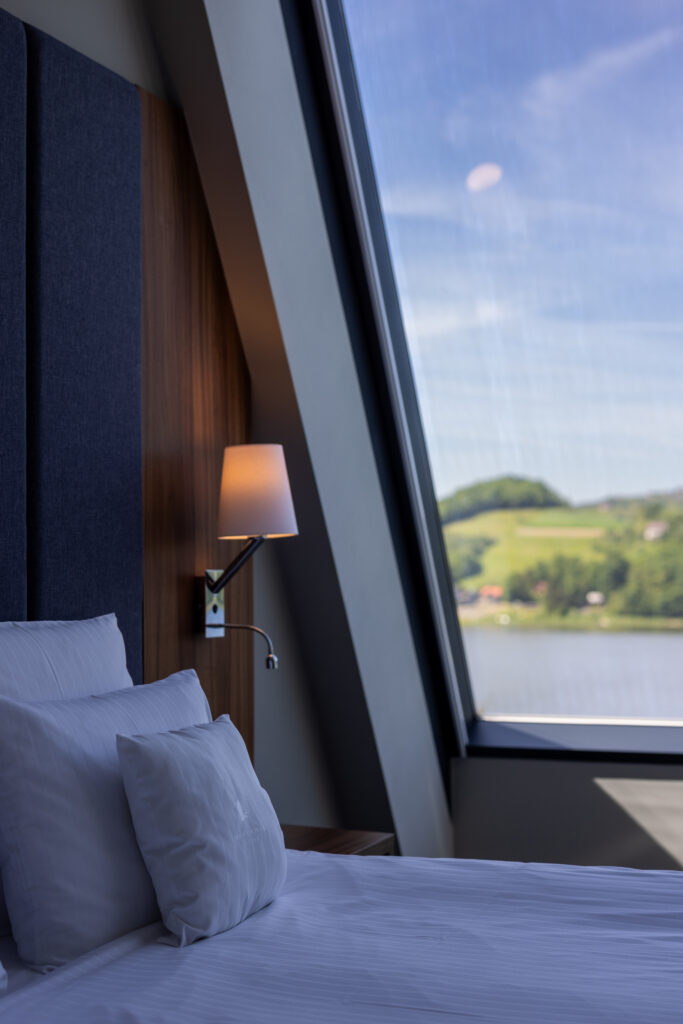
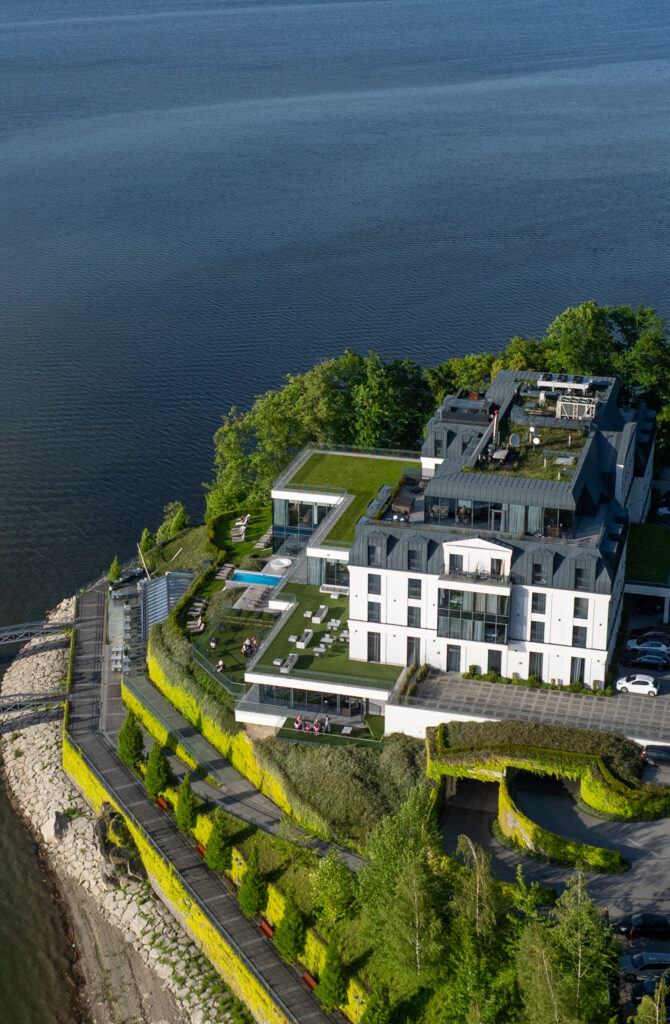
Heron Live Hotel sits right beside the lake, and this became the place where I finally stopped.
No sightseeing, no rushing and no need to get back in the car. Just the lake.
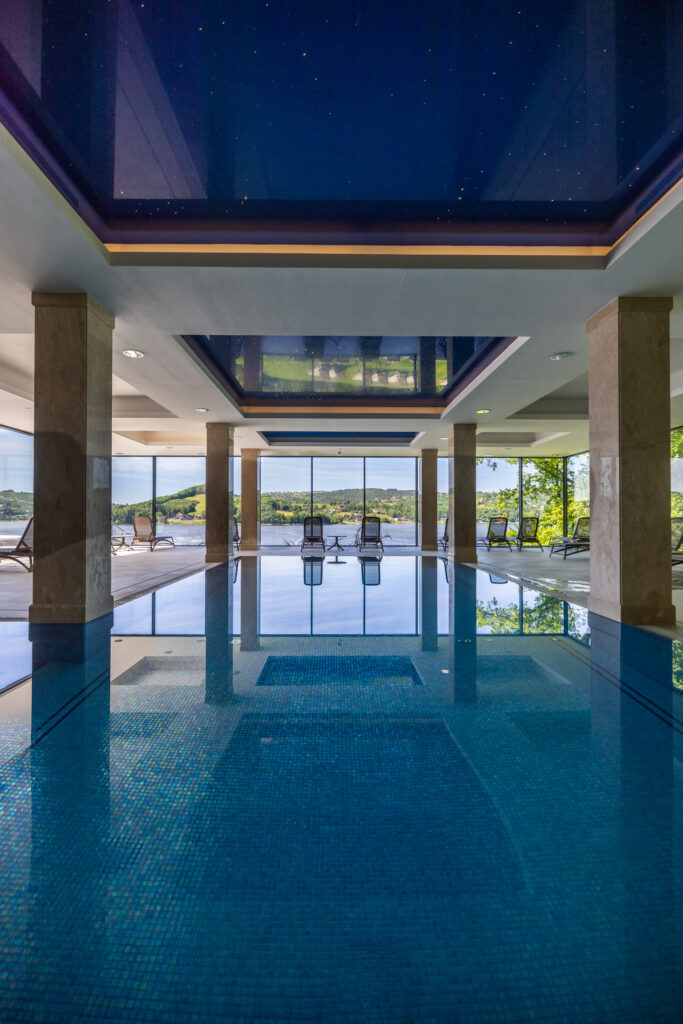
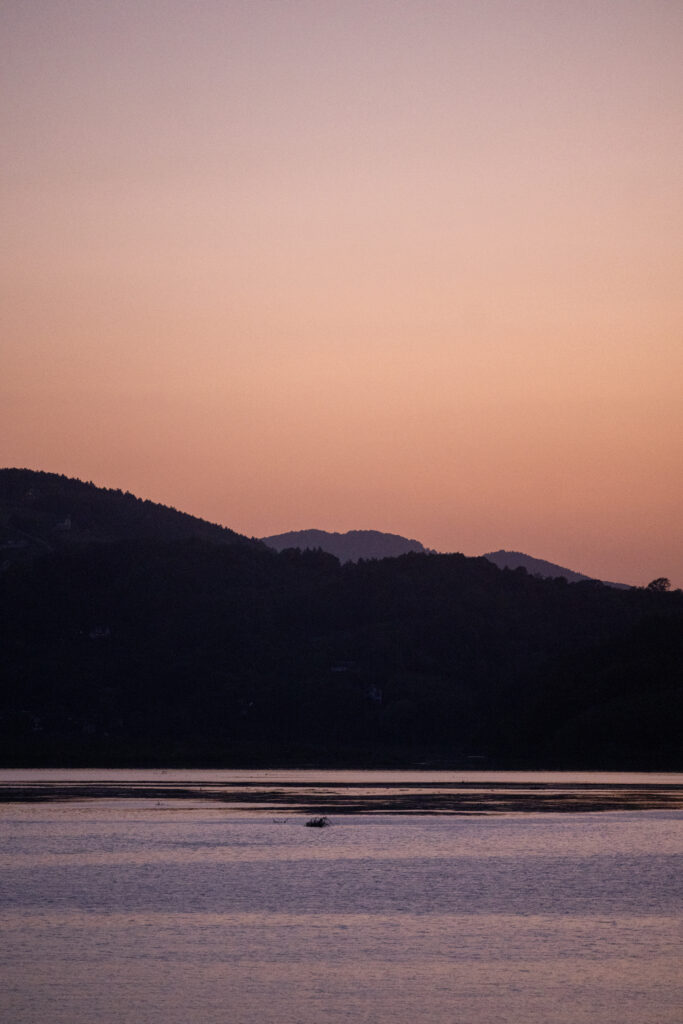
The hotel is modern, but the landscape is the real attraction. Large windows frame the water and the hills change with the light. Everything feels calm.
I spent my time swimming, eating, using the wellness facilities and simply looking out across the lake.
Nothing complicated. And that was exactly what I needed.
After days of moving, it felt good to stay still. Heron became one of those hotels where the location matters just as much as the room. Maybe even more.
Zakopane & The Tatra Mountains
Then the mountains started appearing. At first far away, then closer, bigger and sharper.
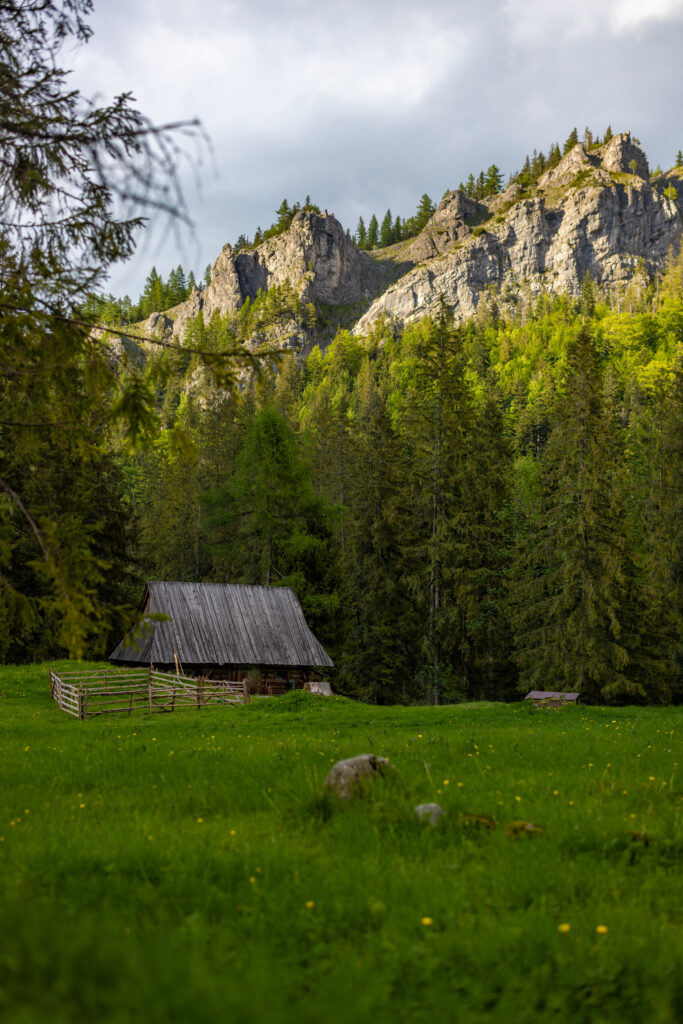
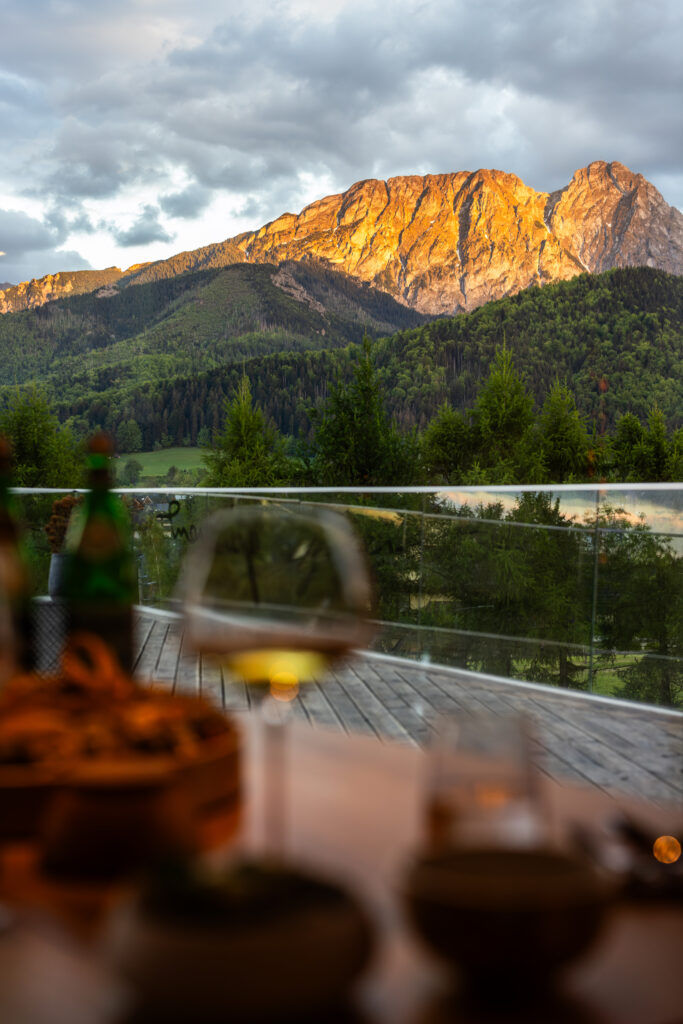
The road towards Zakopane became one of my favorite parts of the trip. Dense forests surrounded the roads, wooden houses appeared between the trees and the Tatra Mountains rose behind everything.
This was another Poland again.
Only a few days earlier, I had been walking beside the Baltic Sea. Now I was surrounded by mountains. That contrast says a lot about the country.
I have spent a lot of time in the Alps and Scandinavia, so I was curious about the Tatras. They impressed me immediately.
The landscape feels raw and dramatic. The forests are dense, the peaks rise quickly and once you leave the busiest parts of Zakopane, nature takes over.
That was where I wanted to be.
Morskie Oko
One of my favorite nature experiences came at Morskie Oko.
After thousands of kilometers behind the wheel, it felt good to walk. The route leads through the forest and deeper into the mountains. Step by step, the scenery becomes more dramatic.
Then the landscape opens and Morskie Oko appears beneath the peaks.
I stopped for a while.
The dark water, the mountains and the silence made it one of the strongest memories from the entire journey.
EnHotel
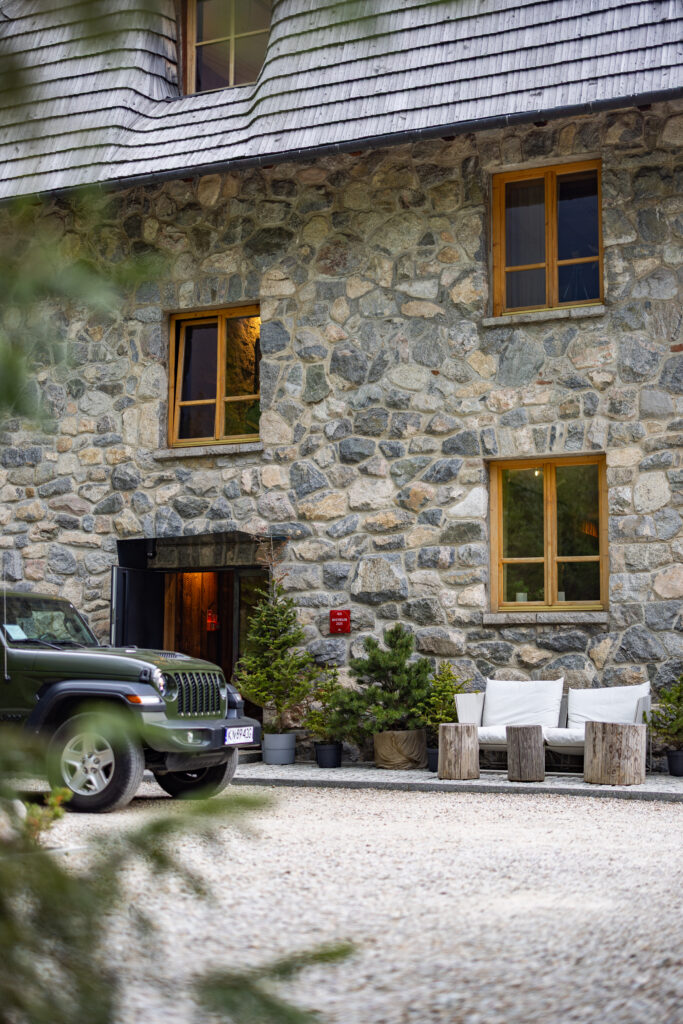
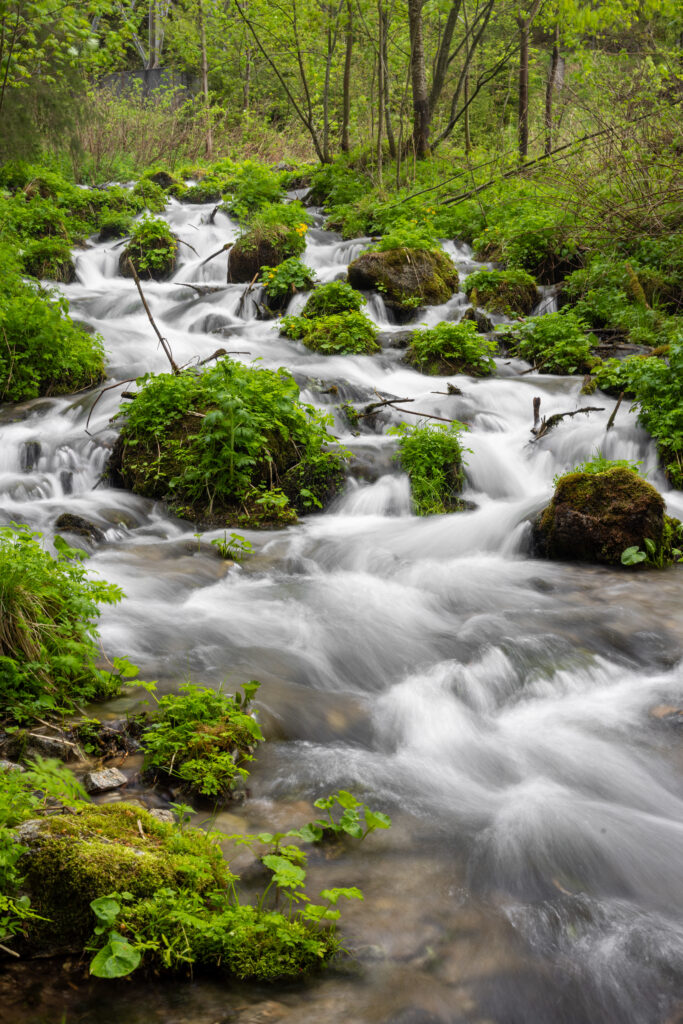
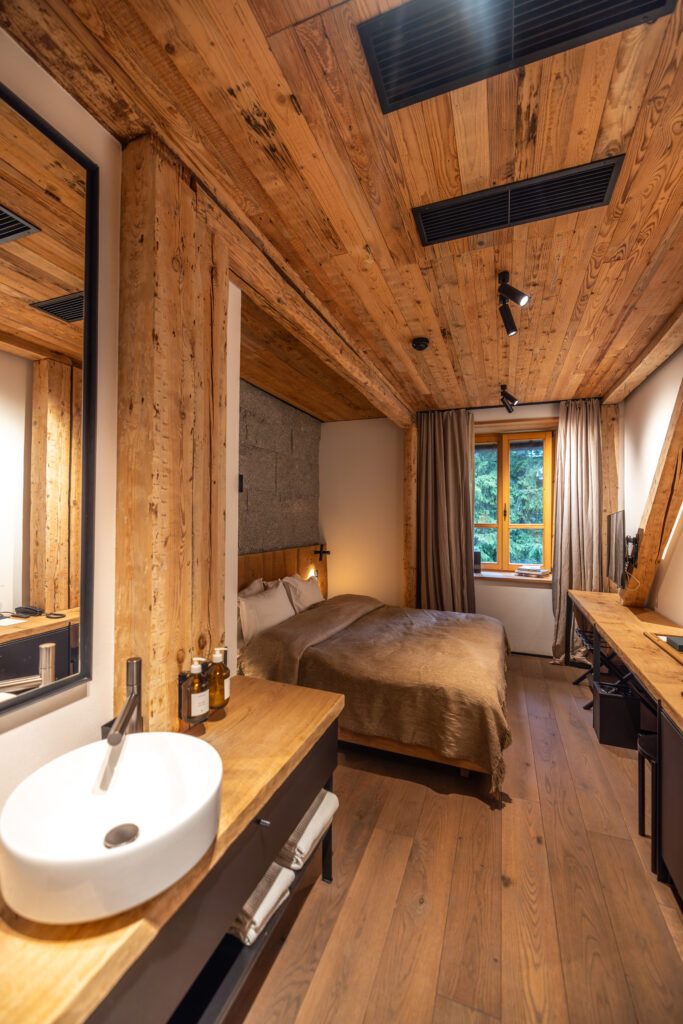
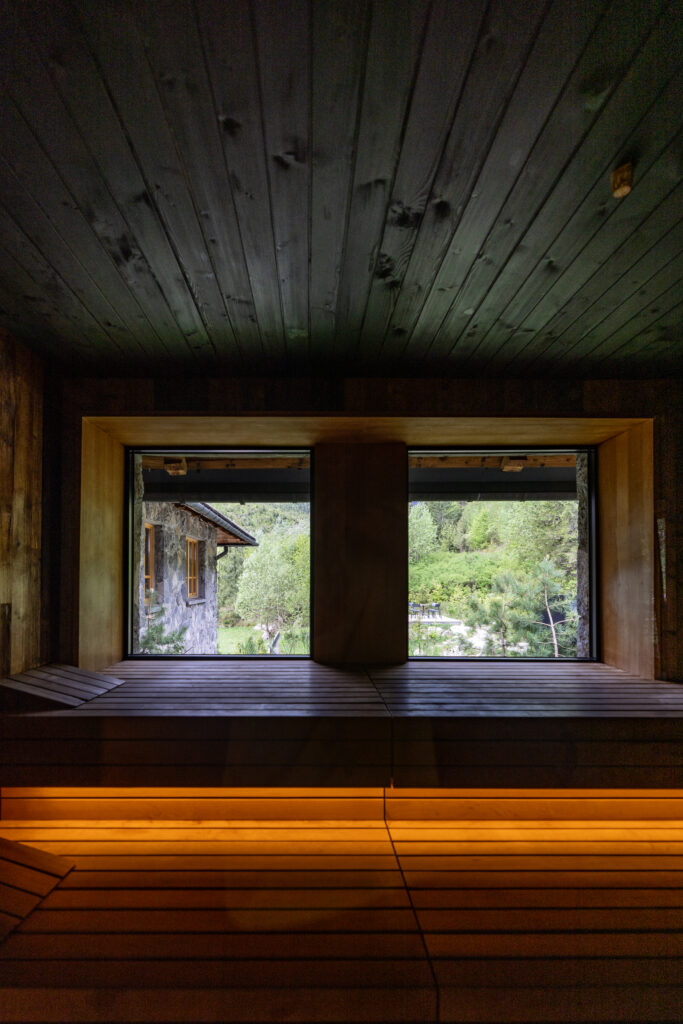
I stayed at EnHotel while exploring Zakopane. The location suited me perfectly. Away from the busiest streets, close to nature and quiet.
Mornings were simple. Coffee, fresh air and mountains outside. Then a full day outdoors.
After constantly changing destinations, I liked staying somewhere that made it easy to slow down.
EnHotel never tried to compete with the landscape. The mountains remained the main attraction. That was exactly how I wanted it.
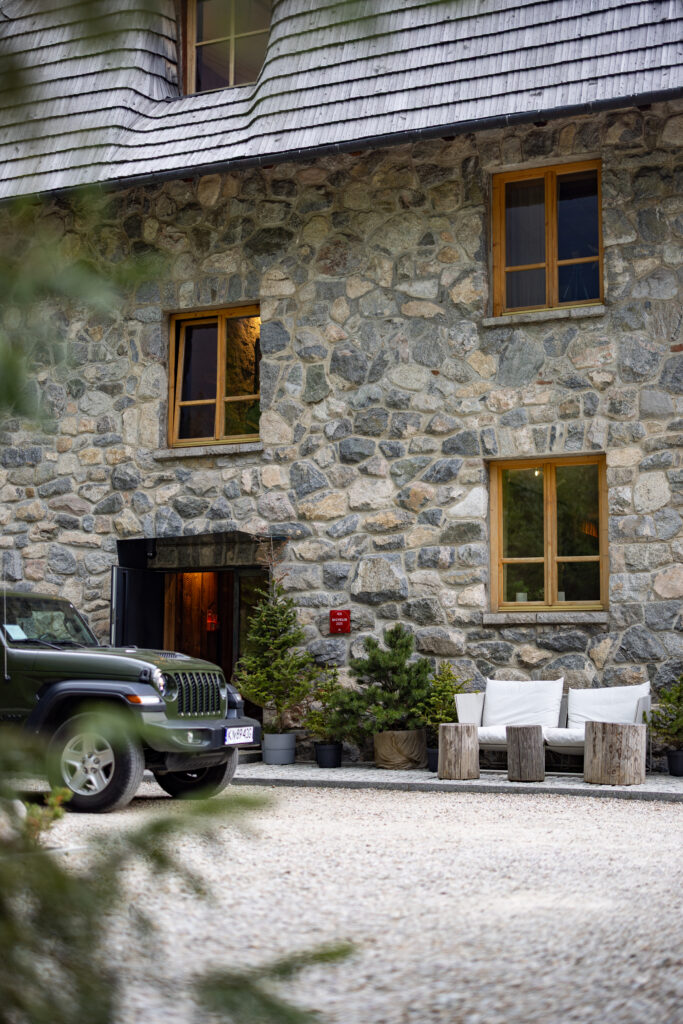
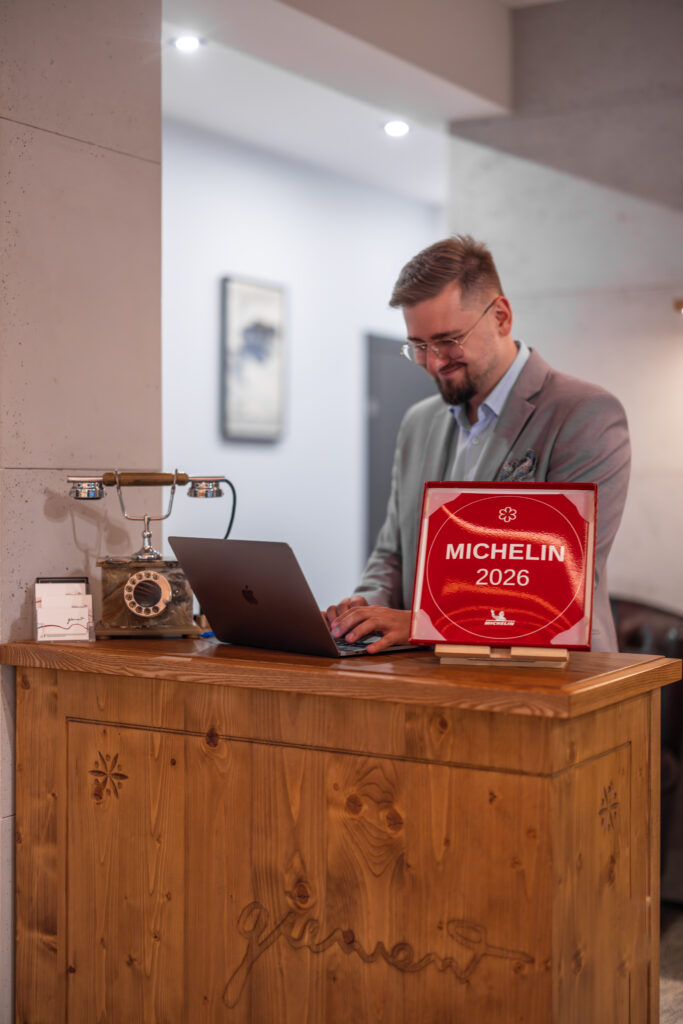
Restaurant Giewont
My time in the mountains also included one of the most memorable dinners of the trip.
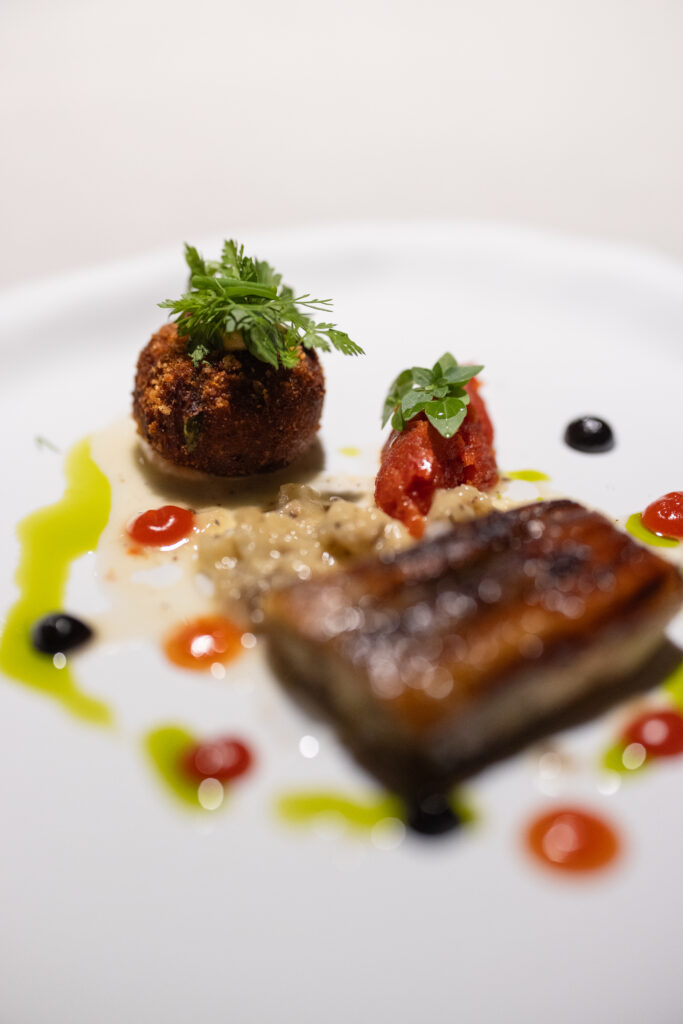
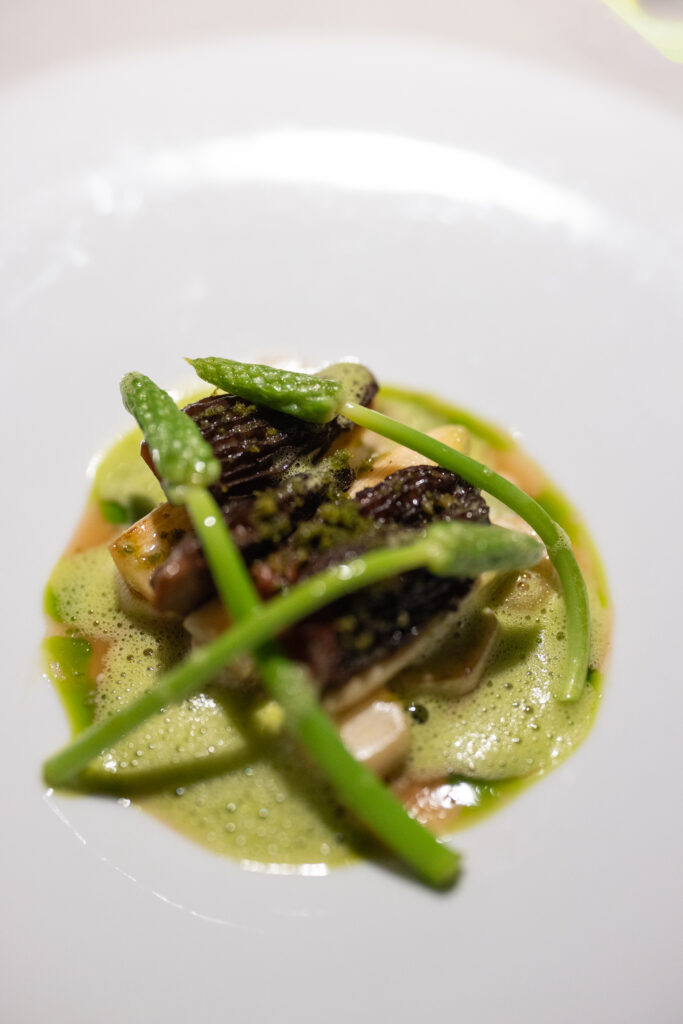
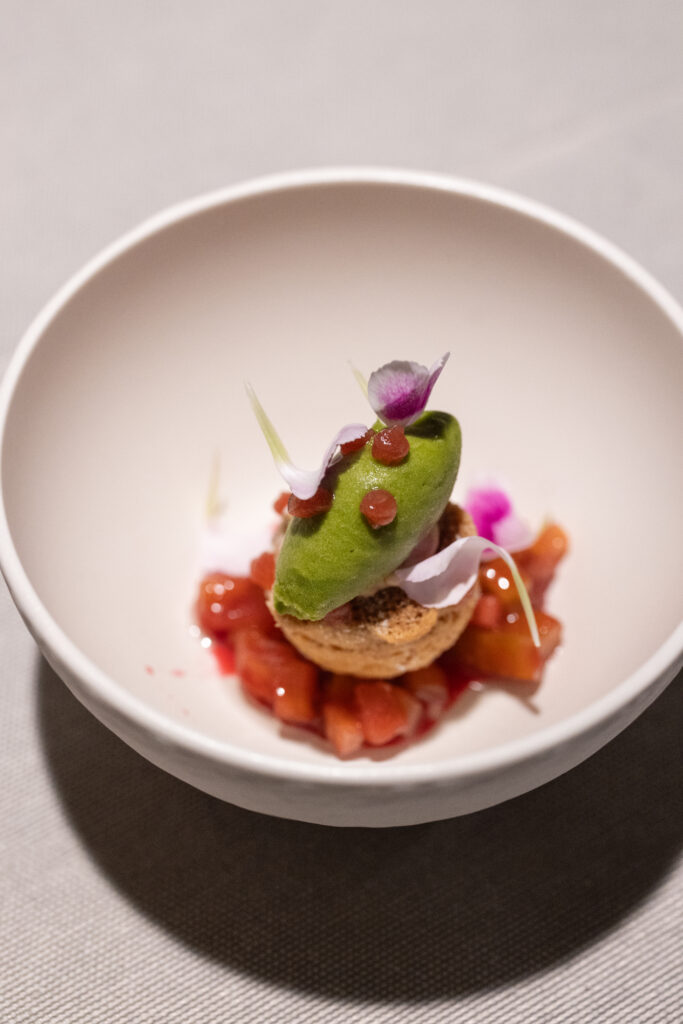
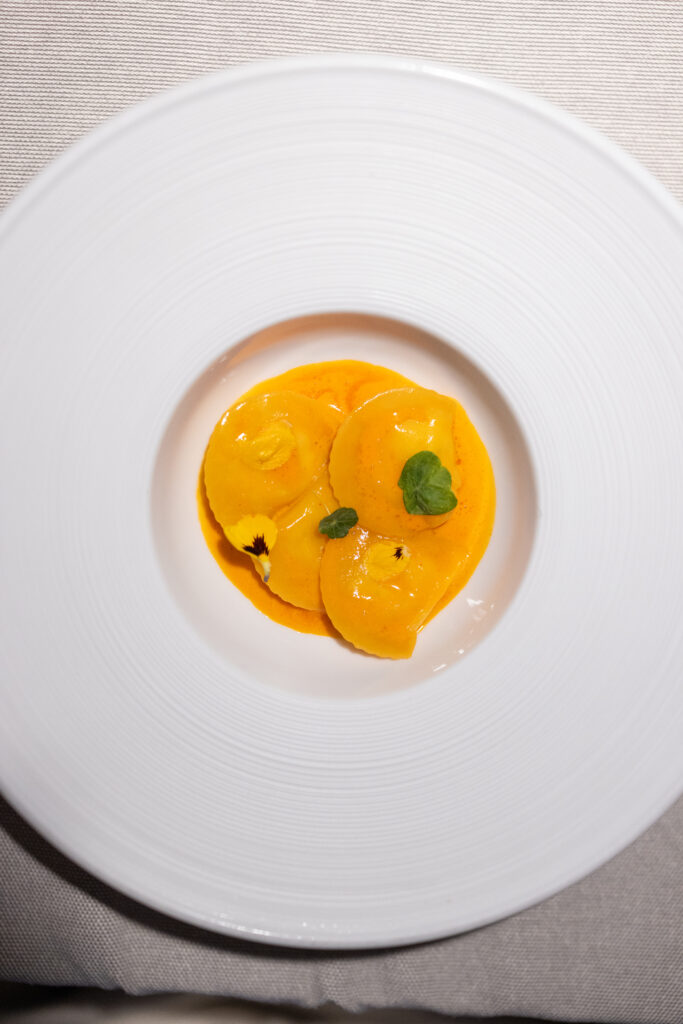
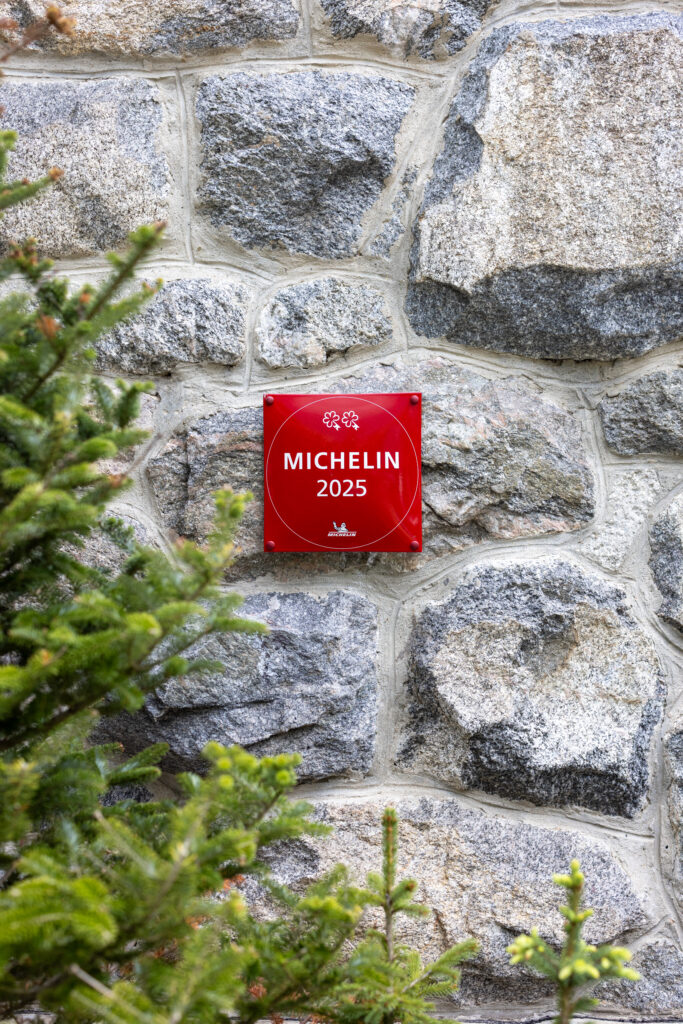
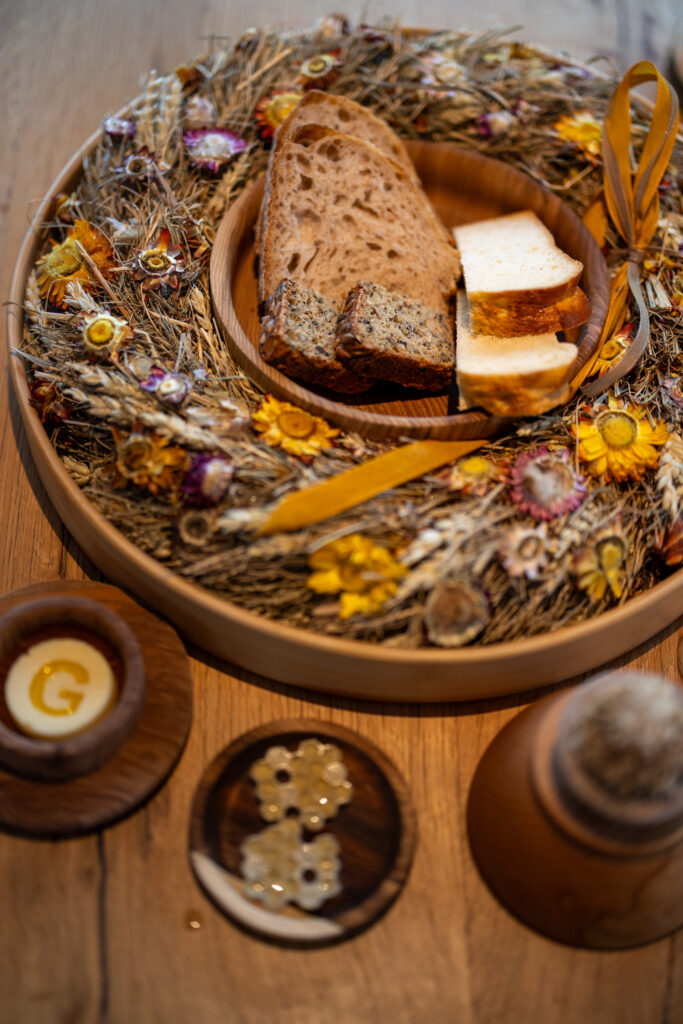
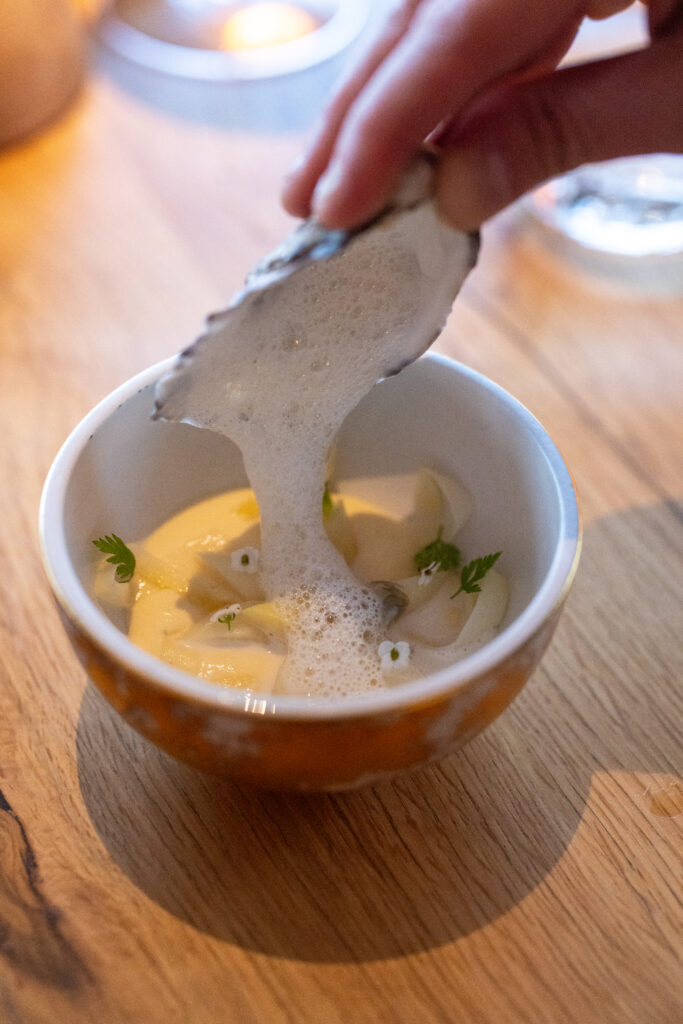
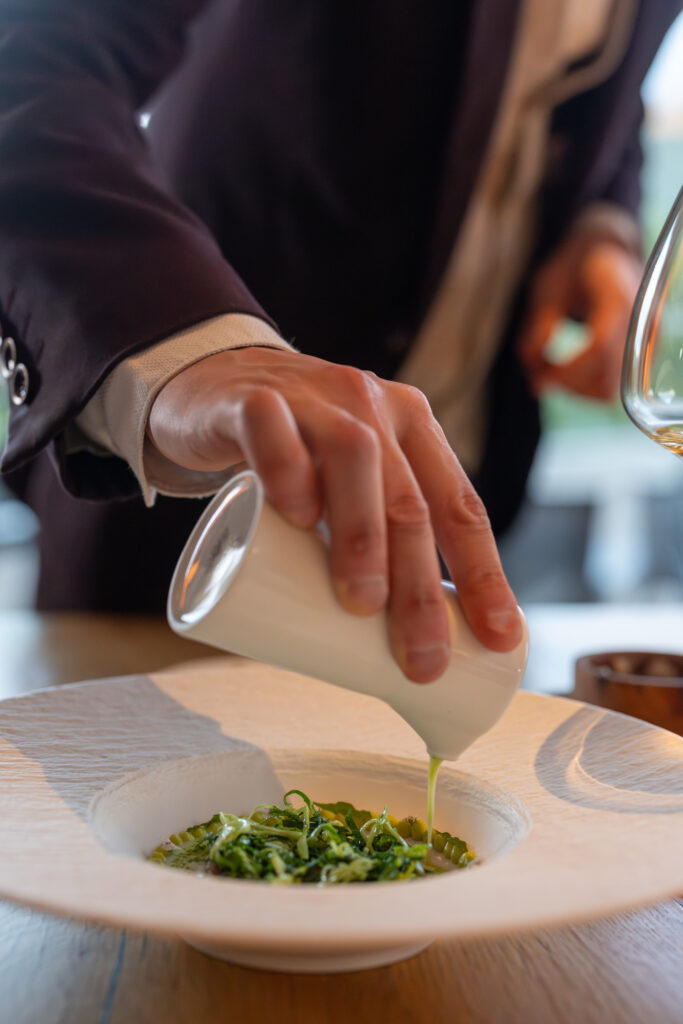
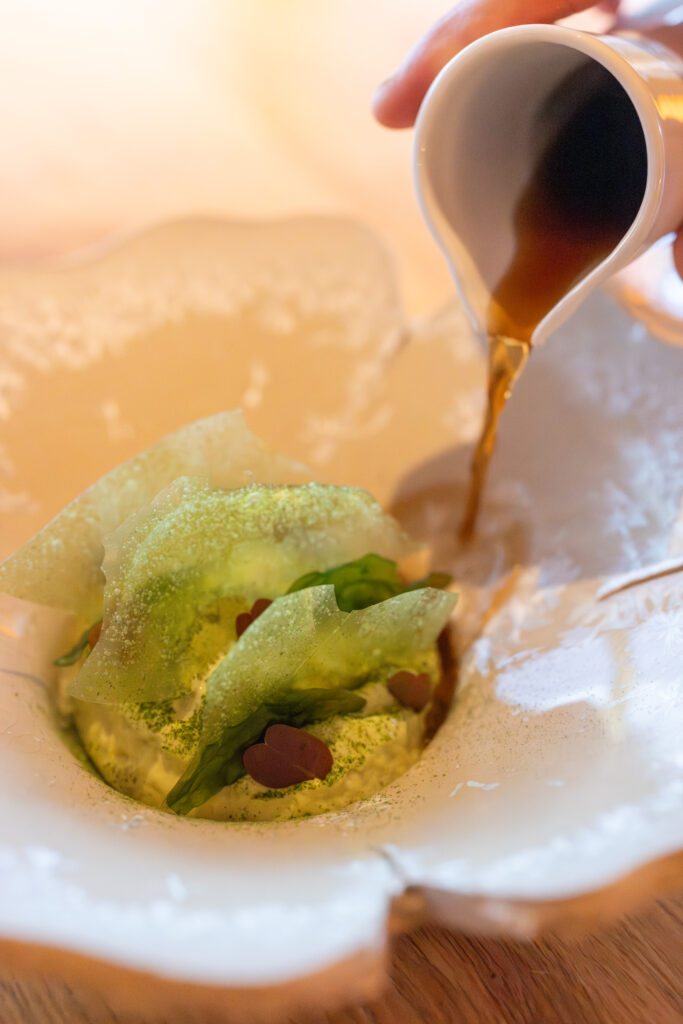
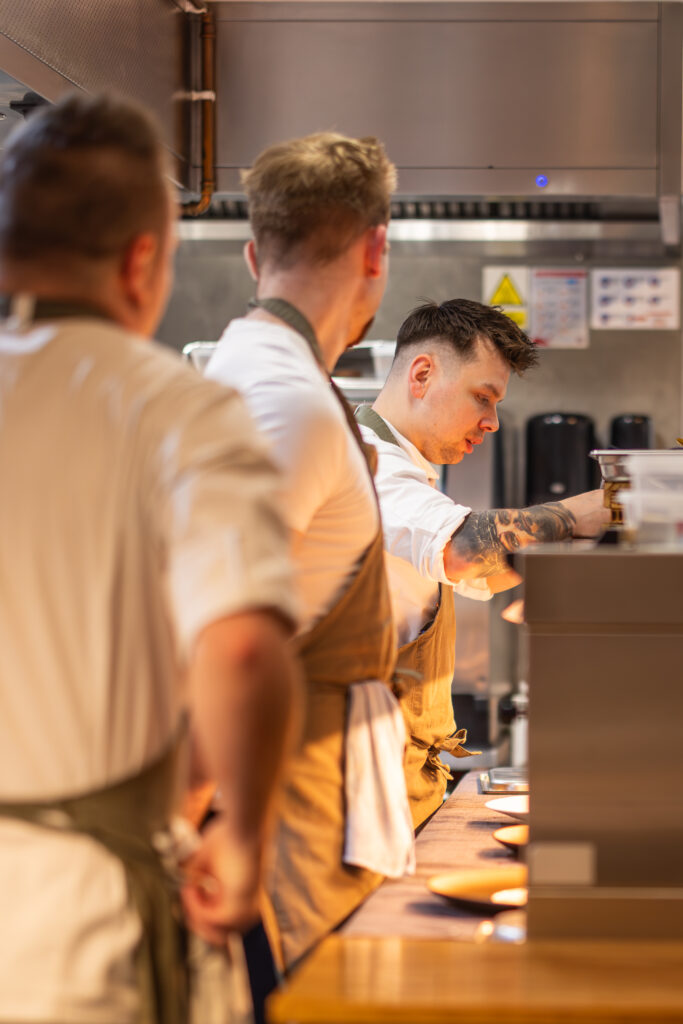
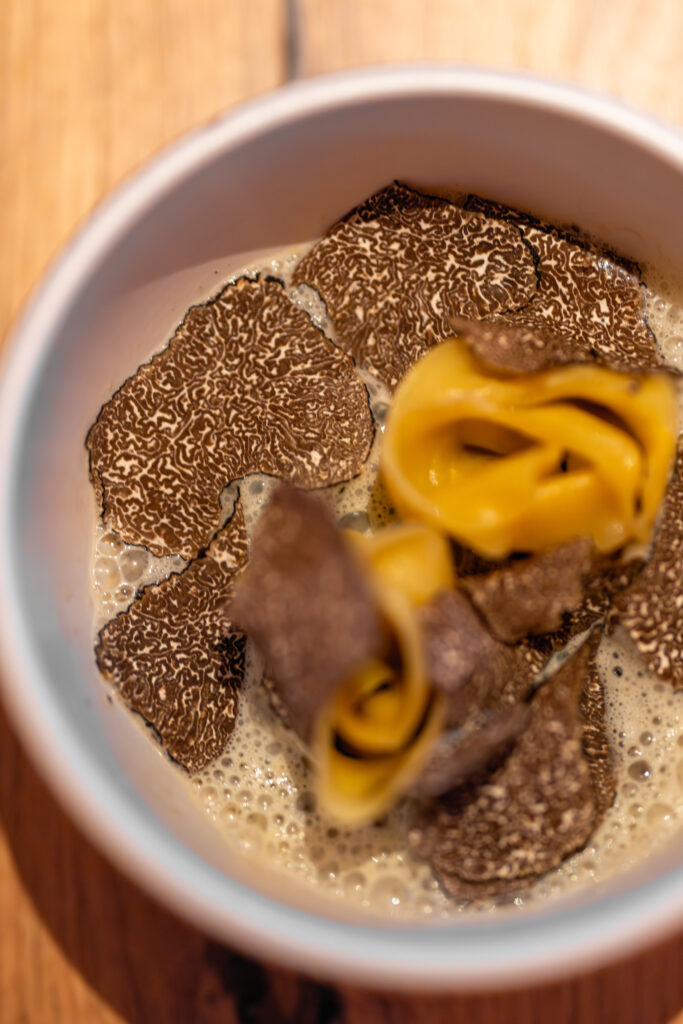
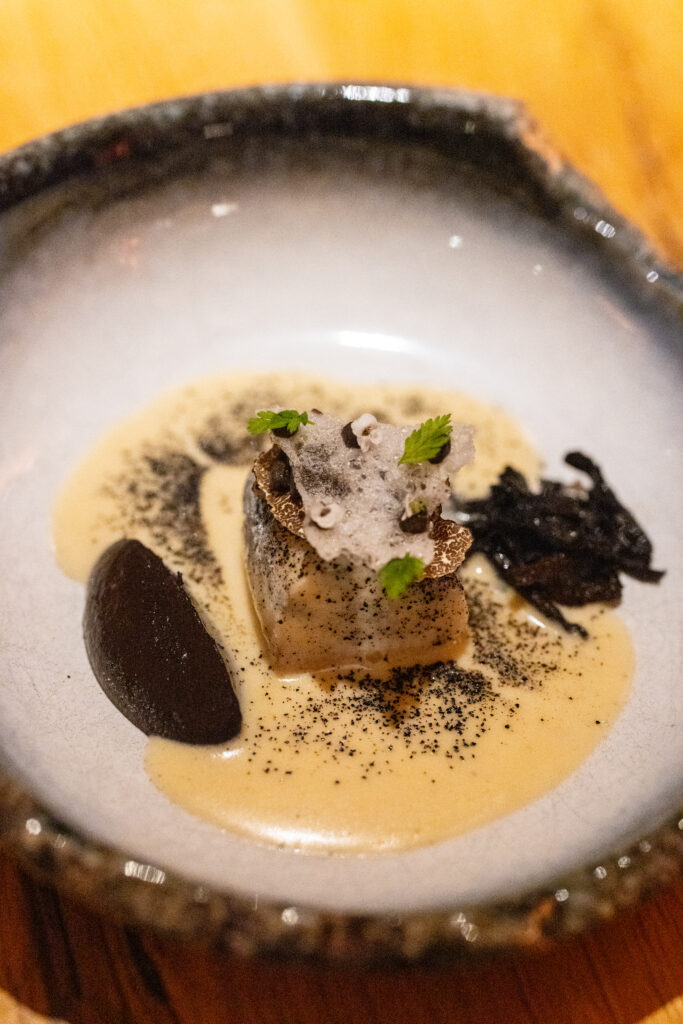
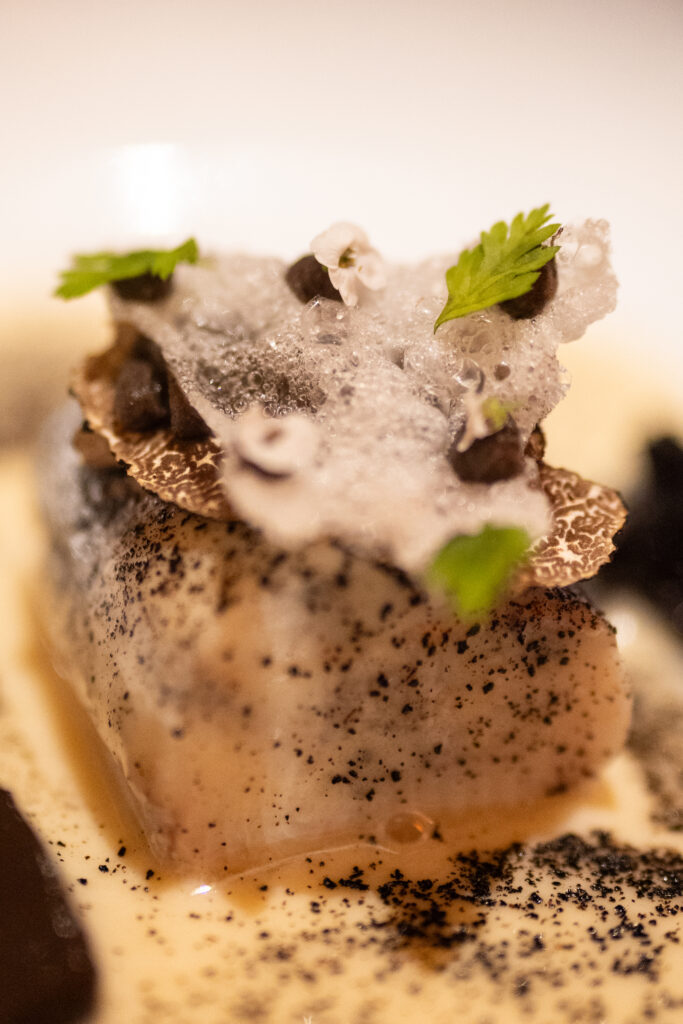
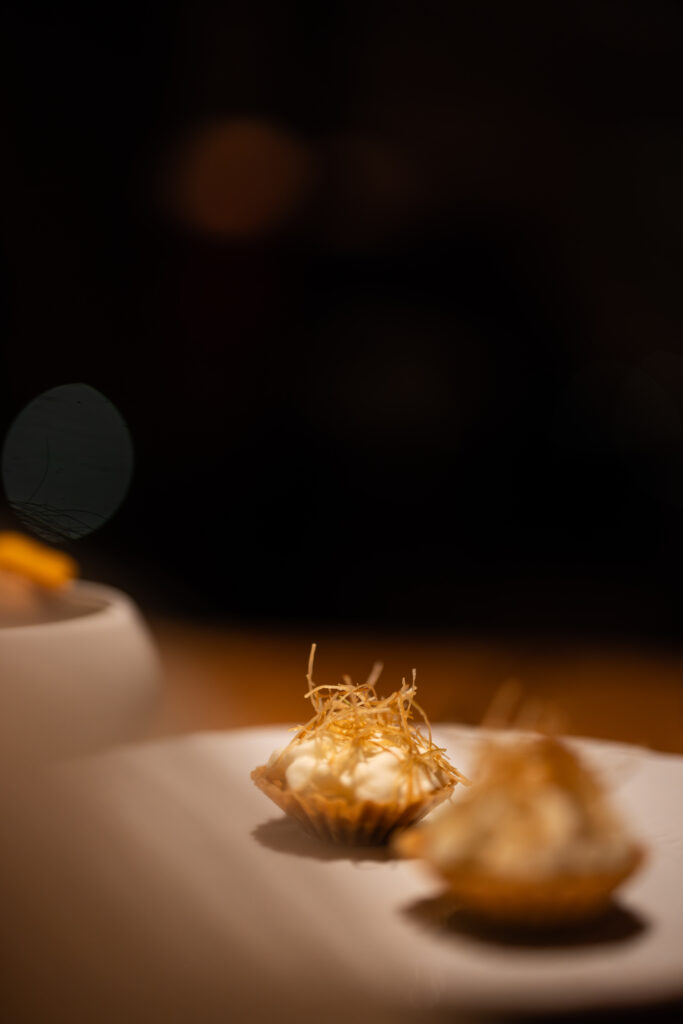
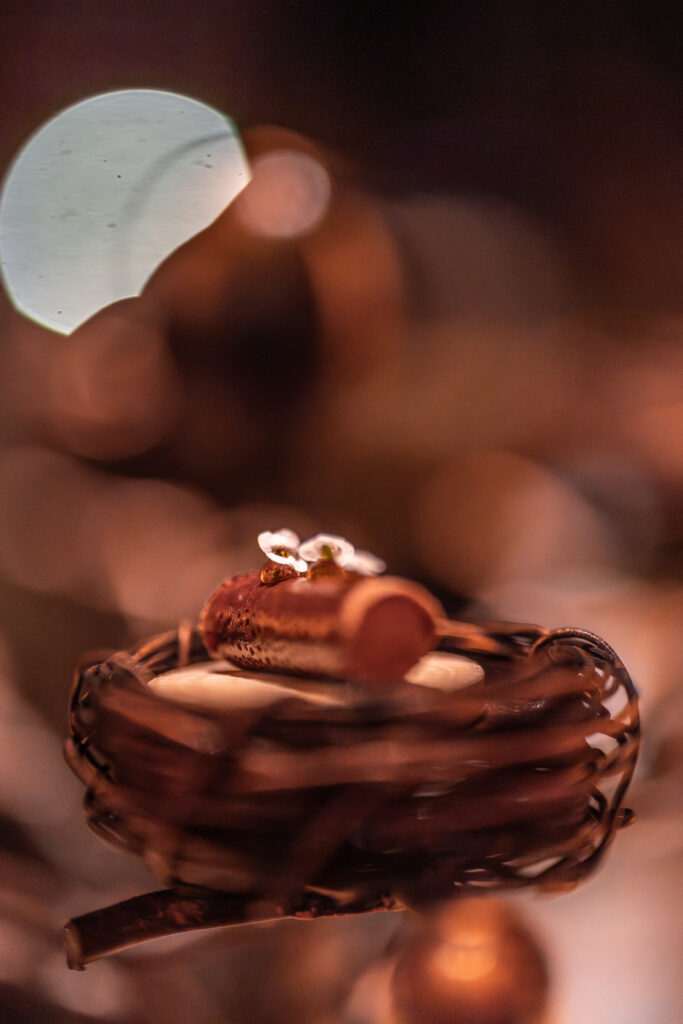
Restaurant Giewont gave me a very different experience of Polish food. Chef Przemys?aw Sieradzki works with seasonal ingredients and inspiration from the region.
The food felt connected to the mountains. That was what I liked most.
It wasn’t fine dining that could have been served anywhere. It belonged here.
I also noticed the portions. Compared with many Nordic tasting menus, they were generous and more substantial. Still refined, but satisfying.
With the mountains outside, the setting completed the experience.
Food always feels more interesting when it reflects the place around you. Giewont did exactly that.
Auschwitz-Birkenau – A difficult but important visit
Not every part of a journey is supposed to be beautiful.
While traveling through southern Poland, I visited Auschwitz-Birkenau. It was a place I had learned about in school, seen in documentaries and read about many times. Still, nothing really prepares you for actually being there.
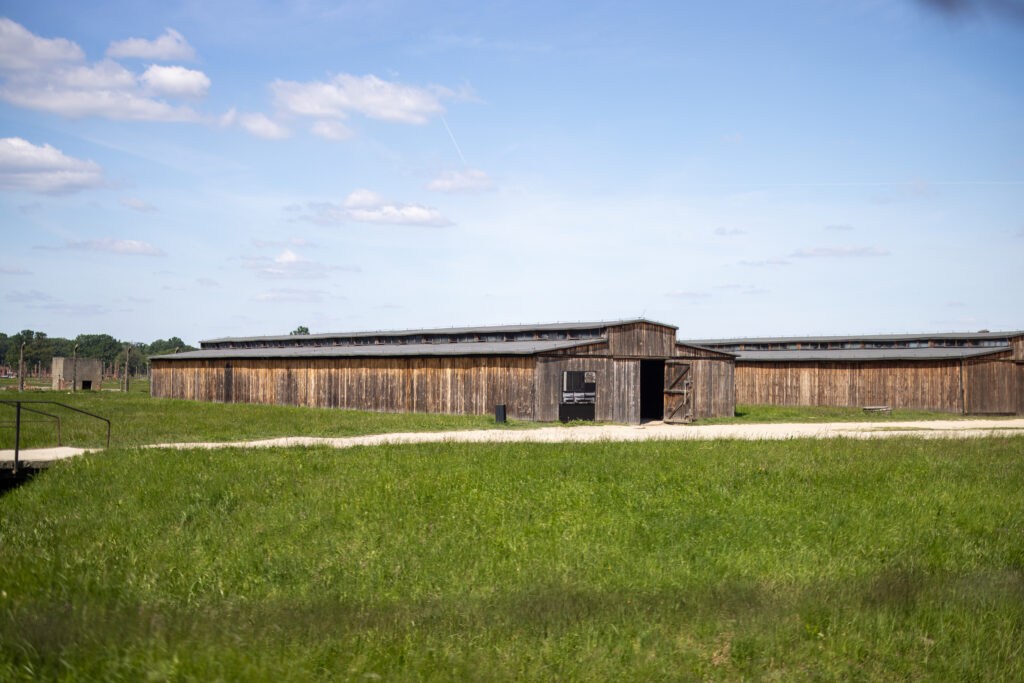
Walking through Auschwitz and later the much larger Birkenau site was difficult. The barracks, personal belongings, railway tracks and remains of the gas chambers make the scale of what happened here almost impossible to comprehend. More than one million people were murdered at the Auschwitz complex during the Holocaust, the vast majority of them Jews.
It is a strange experience to visit a place where you don’t really want to take pictures or talk. I mostly found myself walking quietly and trying to understand what I was seeing.
Travel is often about discovering beautiful landscapes, great food and new cultures. But it can also help us understand history by standing in the places where it actually happened.
Auschwitz-Birkenau was by far the heaviest experience of my road trip through Poland. It was not enjoyable, and it is not supposed to be. But I am grateful that I went.
Some places stay with you because of their beauty. Others because they remind us of something we must never forget.
Wroclaw – One Last Surprise
Eventually, I had to start driving home. Copenhagen appeared on the navigation again, but I had one final stop in Poland.
Wroclaw.
I arrived with too little time. I knew that almost immediately.
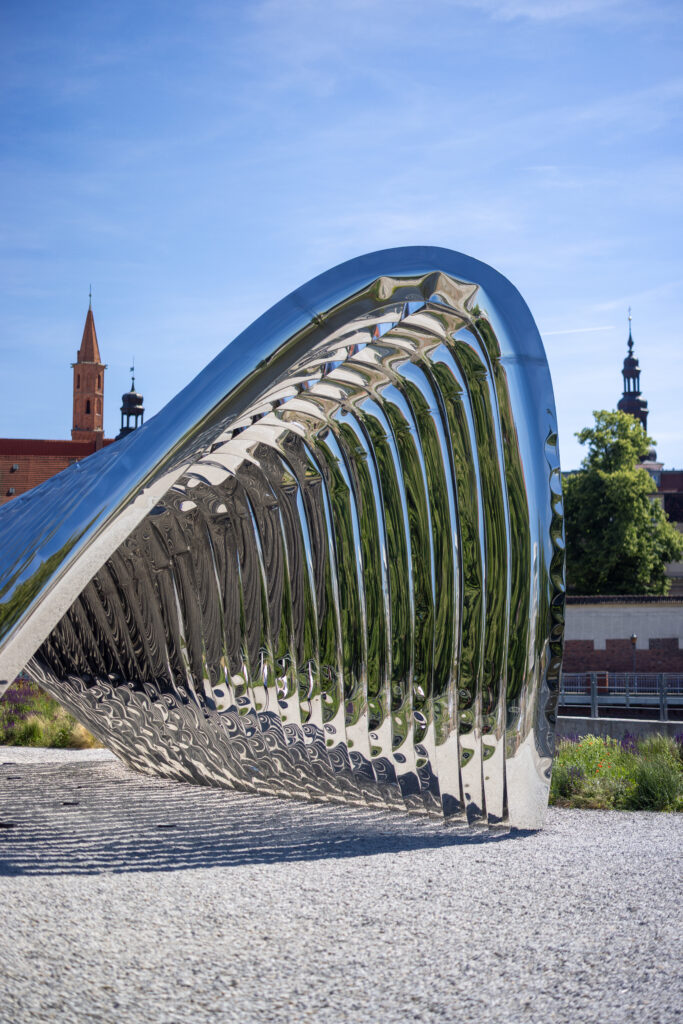
The city felt different from Warsaw and Krakow. Colorful facades, bridges, water, busy squares and a relaxed atmosphere.
I walked through the center before lunch and already knew I wanted to come back.
Sometimes a short visit is enough to tell you that. Wroclaw was one of those places.
MARTIM
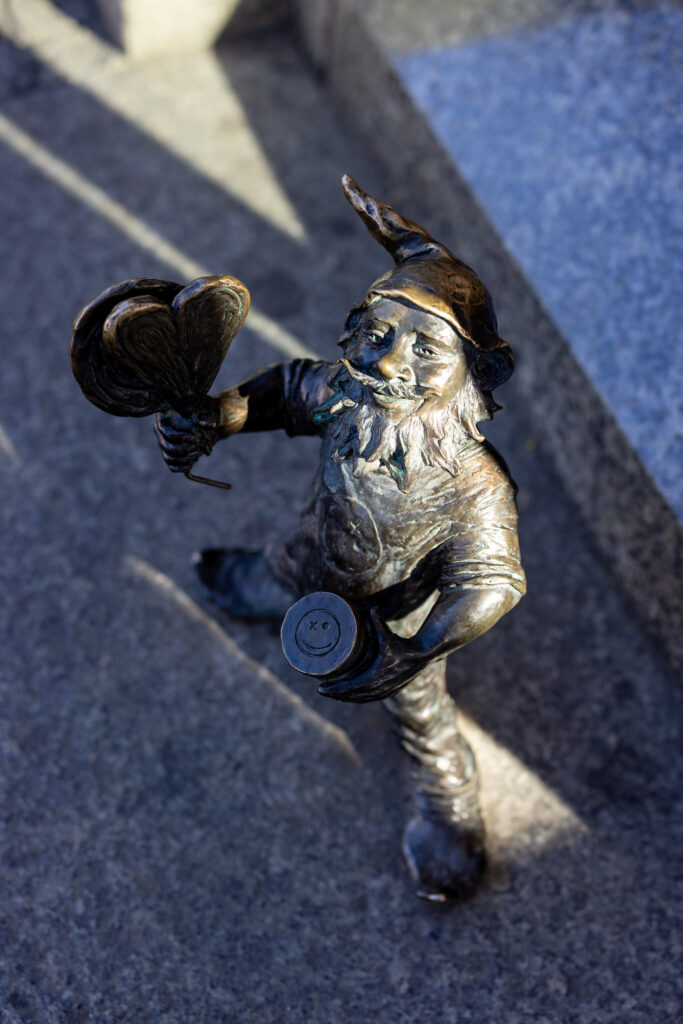
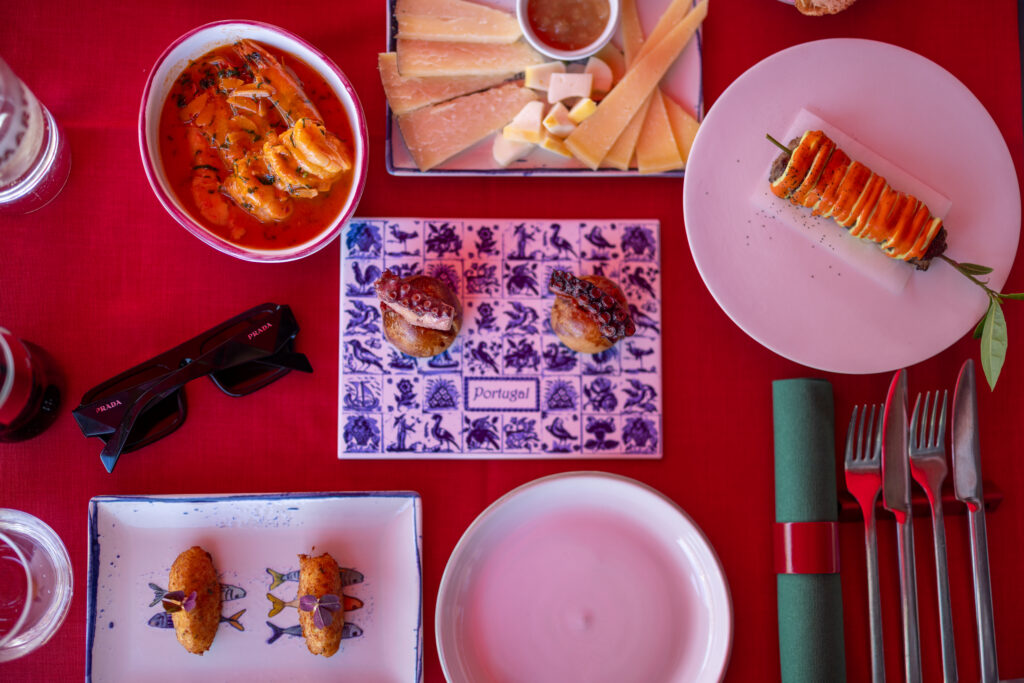
My final meal in Poland was at MARTIM.
After ten days on the road, it felt fitting to end around a table.
Food had become such an important part of the journey. Modern Warsaw, international Krakow, mountain gastronomy in Zakopane and now one final lunch in Wroclaw.
I sat there thinking about how different the trip had been from what I expected.
Then lunch ended. I walked back to the car, entered Copenhagen into the navigation and started driving north.
More Than 3,000 Kilometers Later
The drive home gave me time to think.
More than 3,000 kilometers through a country I had completely underestimated.
Baltic beaches, forests, modern cities, historic streets, small villages, quiet lakes, mountain trails and long dinners.
I had worried about charging my electric car. That turned out to be easy.
I had wondered whether the hotels would impress me. They did.
I had been curious about the food. It became one of the highlights.
But the biggest surprise was Poland itself.
The diversity, the atmosphere and the feeling of still being able to discover something.
Many famous European destinations already feel familiar before you arrive. You have seen the viewpoints, restaurants, hotels and streets hundreds of times.
Poland felt different.
There was still room for surprise.
I left Copenhagen wanting to discover Poland. I came home feeling like I had only just started.
Poland might be Europe’s best-kept travel secret. But probably not for much longer.
